

Park · Edinburgh · ⭐ 9.5/10 · 2036 reviews · updated: 2026-08-04 20:19:51
Address: Edinburgh EH3 5PA, United Kingdom
Inverleith Park — the great green common of Edinburgh’s north side
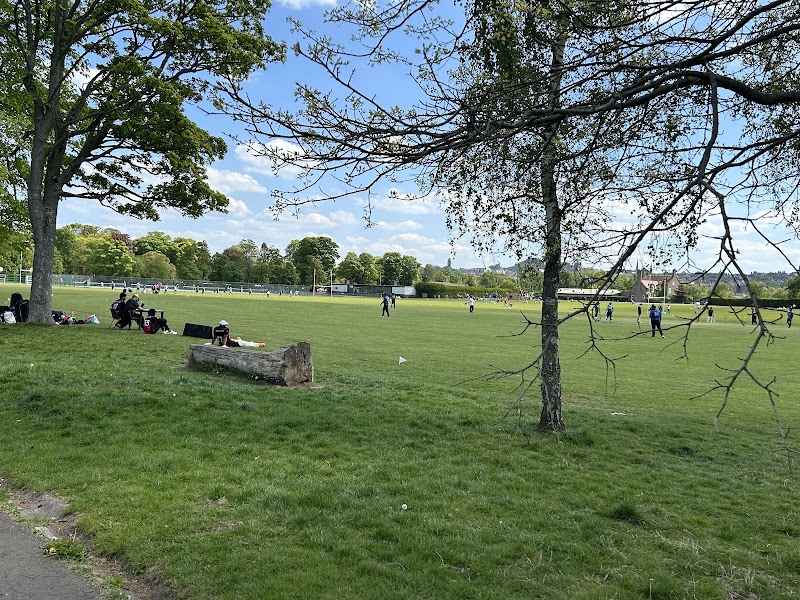
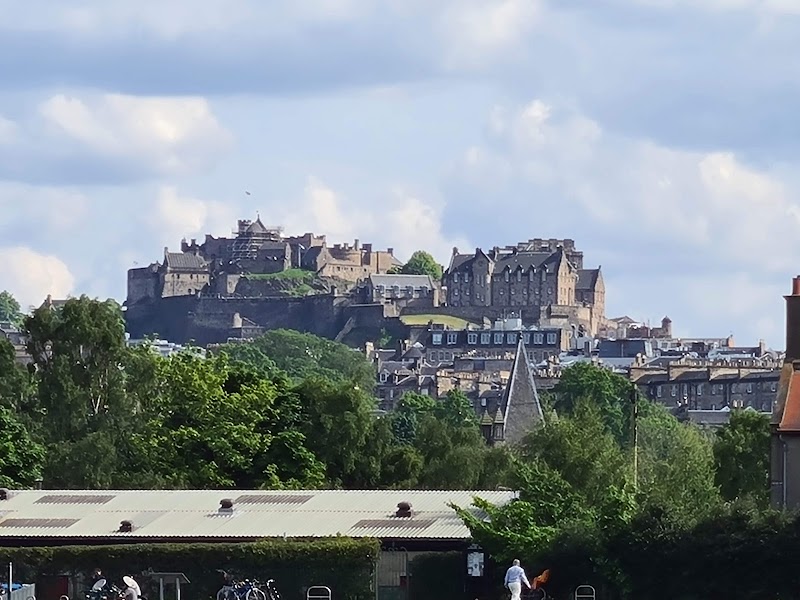
Few city parks hand you this much sky. Inverleith Park spreads across roughly 22 hectares (54 acres) of level grass, tree-lined avenues and playing fields between Stockbridge and the Royal Botanic Garden Edinburgh, and the first thing most arrivals do is stop and look south. The whole Old Town skyline stands on the horizon, Edinburgh Castle on its rock with Arthur’s Seat rising behind it, and on a clear day the Pentland Hills close the view. This is a working park rather than an ornamental one — rugby posts, allotment sheds, a model-boat pond, dog walkers, joggers and school teams all sharing one enormous field — and that everyday busyness is exactly why it is among the best-loved open spaces in the city.
Highlights
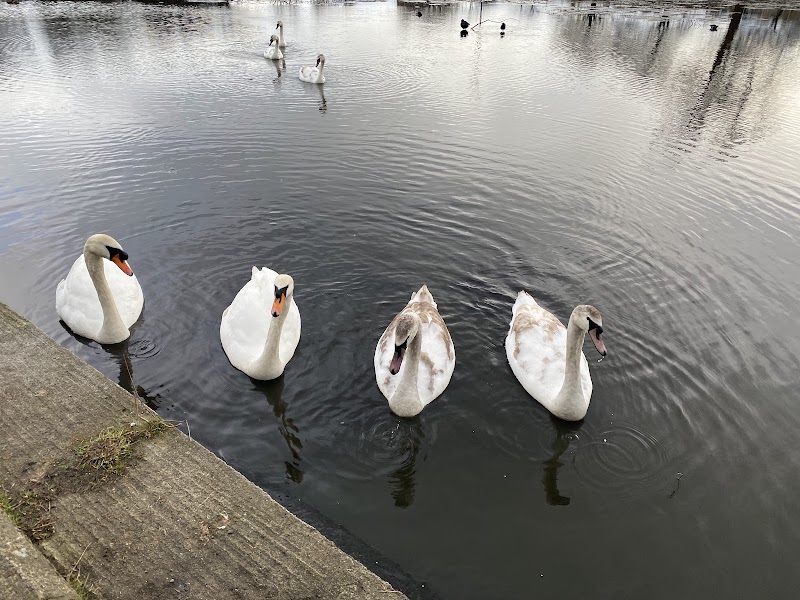
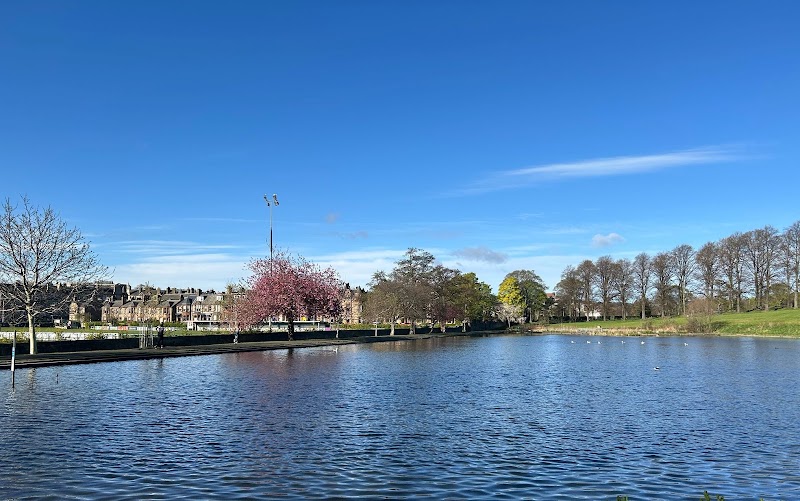
- The boating pond — dug in the 1890s as a model-yacht pond and still sailed on by model boaters; swans, mallard, coot and tufted duck live here, and a kingfisher turns up from time to time.
- The wetland water garden — the pond’s western end was remodelled in 2007 into a reed-fringed wetland, turning a plain Victorian basin into genuine wildlife habitat.
- The Kinloch Anderson sundial — gifted to the park in 1890 and fully restored in 2018 by the Edinburgh tailoring house Kinloch Anderson to mark its 150th anniversary; it anchors the refurbished Sundial Garden.
- The allotments — the north-west quadrant has been cultivated for well over a century; by 1918 some 123 plots had been let here, with 53 more names on the waiting list.
- The school playing fields — pitches used by Edinburgh Academy, Fettes College, Stewart’s Melville College and George Heriot’s, with the towered silhouette of Fettes College closing the western horizon.
- The Royal Botanic Garden Edinburgh next door — the Garden itself is free to enter, while its Glasshouses are ticketed; the Glasshouses have been closed for a major restoration of the buildings and their living collection.
What you’ll find
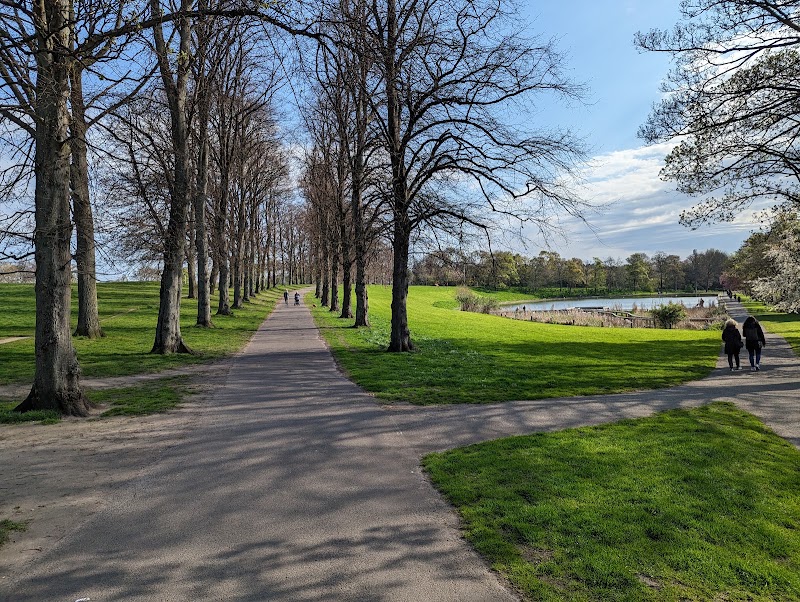
The layout is essentially the one the city laid out in the 1890s: a broad perimeter walk, straight cross-avenues, a pond in the south-west, allotments in the north-west and open pitches filling the middle. Later decades added the small-scale things a modern neighbourhood park needs, so a single circuit takes you past formal planting, rough meadow, tarmac courts and mown turf in the space of twenty minutes.
- Large open pitches marked through the season for rugby, football, cricket and, unusually for Scotland, baseball.
- Four tennis courts plus a hard ball court, maintained by the city council and open to the public.
- A pétanque piste, one of the few dedicated boules areas in an Edinburgh park.
- Outdoor fitness equipment, table tennis tables and a signed running and fitness circuit.
- A children’s play park, a wildflower meadow and the enclosed Sundial Garden with its restored dial.
- Long, sheltered tree avenues and benches placed for the southern skyline view.
Things to do — and who it’s for
- Families — a play park, safe wide-open grass, ducks and swans to watch at the pond, and the Botanics a two-minute walk away for a rainy-day fallback.
- Runners and cyclists — a flat, well-drained perimeter loop with a marked fitness circuit, ideal for repeatable laps and interval work.
- Birdwatchers and nature lovers — the 2007 wetland at the pond’s western end draws waterfowl and the occasional kingfisher, and the meadow buzzes with pollinators in July.
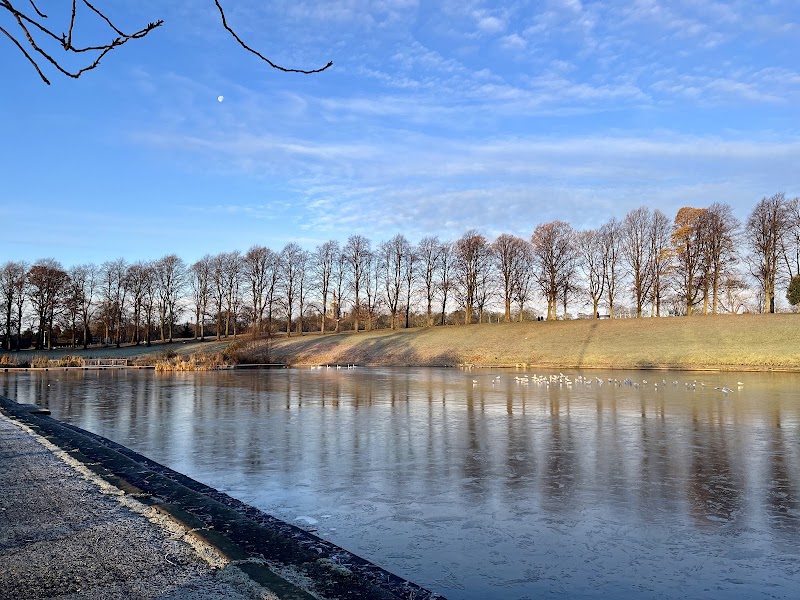
- Photographers — the classic Edinburgh postcard shot of the Castle reflected across the pond is taken from this park, best in low winter light.
- Sports clubs and school teams — one of the largest concentrations of pitches inside the city, in use by several independent schools as well as public bookings.
- Gardeners and growers — the allotment quadrant is a living exhibition of what actually thrives in an east-coast Scottish climate.
Getting there & practical
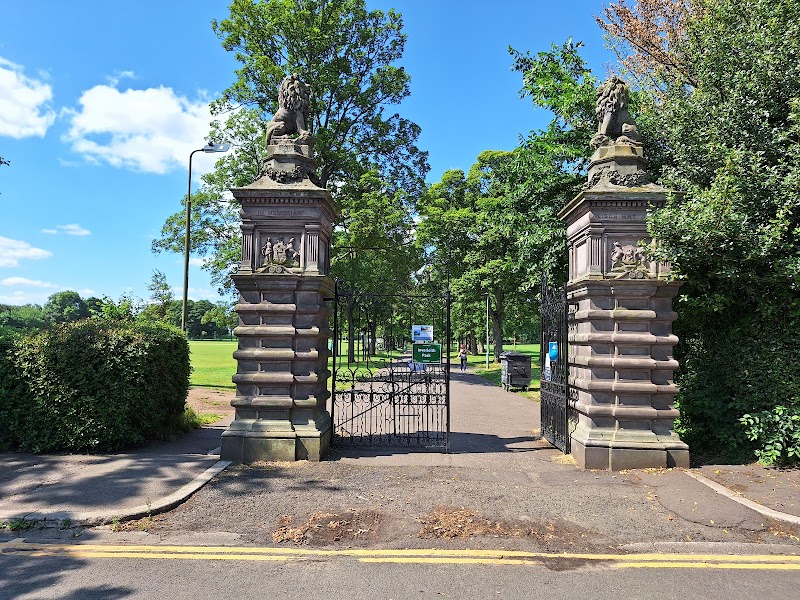
The park sits in Inverleith, the residential district immediately north of the New Town, framed by Stockbridge to the west, Canonmills to the east and Comely Bank to the south-west. Lothian services 8, 9, 23 and 27 run along the eastern approach past the Botanic Garden’s east gate, while the 24 and 29 come out through Stockbridge and stop beside the park’s eastern boundary, opposite the Botanic Garden’s west gate. From Edinburgh Waverley it is a walk of about half an hour downhill through the New Town, or a short hop on any of those buses; the tram runs only as far as the city-centre stops on the main shopping thoroughfare, so change to a bus there. The park is unenclosed, free to enter and open at all hours, with no gates and no admission of any kind. Allow forty-five minutes to an hour for a full circuit, or a half day if you combine it with the Botanic Garden next door.
When to visit
Spring brings blossom along the avenues, the first spades in the allotments and nesting activity round the pond. Summer is the park at full stretch: cricket and rugby on the pitches, daylight lasting past ten in the evening at midsummer, and the grass used as an informal viewing lawn for the fireworks that close the Edinburgh International Festival in late August. Autumn is arguably the best season for looking rather than doing, when the avenues turn and the low sun throws the Castle skyline into relief. Winter strips the trees and opens sightlines that summer foliage hides, the pond often freezes at the edges, and the park stays usable because its paths are hard-surfaced and its ground drains well.
Good to know
The land belonged to the Inverleith estate, held by the Rocheid family from 1665. In 1889 the city bought South Inverleith Mains Farm from Charles Rocheid and set about laying out a public park, and by 1891 the local press was congratulating the city on “the acquisition and opening of this magnificent park”. The Victorian scheme was ambitious: drainage and roadways, greenhouses and a pavilion, two bowling greens, four tennis courts, two golf courses and a ride for horses, with the pond added in the 1890s specifically for model yachts. The north-west quadrant was given over to allotments, which boomed during the First World War food campaigns. The park has since served as a venue for the Foodies Festival and parts of the Edinburgh International Science Festival, and scenes for the film Chariots of Fire were shot on its grass.
Visitor tips
- Come in through the western side and walk east: you arrive at the pond with the Castle view straight ahead rather than behind you.
- The park is exposed and the wind here comes off the Firth of Forth — a windproof layer matters more than an umbrella.
- Pair the visit with the Botanic Garden’s west gate, which is a short walk from the park’s eastern boundary, and check ahead on the Glasshouses before planning around them.
Questions & answers
Is there any charge to enter Inverleith Park? No. The park is a public open space with no gates, no tickets and no opening hours — you can walk in at any time of day or night.
How big is it? Around 22 hectares, or 54 acres, which puts it among the largest urban parks in Scotland and explains why it rarely feels crowded even on a festival weekend.
Can you really see Edinburgh Castle from the park? Yes — the southern view takes in the Castle rock, the Old Town spires and Arthur’s Seat, with the Pentland Hills behind on clear days. The pondside benches are the best vantage point.
Is it the same place as the Royal Botanic Garden? No, they are separate neighbours. The Botanic Garden is free to enter and keeps set opening hours; its Glasshouses are ticketed and have been closed for a major restoration. Inverleith Park is open at all times and has no ticketing at all.
What is the pond used for? It was built in the 1890s as a model boating pond and is still used by model-yacht sailors. Its western end became a wetland water garden in 2007, so the same water body now does duty as a wildlife pond.
Are dogs allowed? Yes, and the park is one of the busiest dog-walking spaces in north Edinburgh. Keep dogs clear of the marked pitches when teams are playing and away from the allotment enclosure.
Can visitors use the tennis courts and pitches? The council-maintained tennis and ball courts are open to the public. The large grass pitches are booked by clubs and by the independent schools that use them, so casual games are best kept to the open grass.
Is it suitable for pushchairs and wheelchairs? Largely yes. The ground is flat, the main circuit and cross-paths are surfaced, and the play park was designed for easy access; the meadow and allotment margins are rougher underfoot.
Photos
Show 1 more photos
Visitor reviews
Reviews last updated: 2026-08-04 20:19:51
Data is refreshed monthly. Sources: edinburghname.com and editorial picks based on reviews.
A lovely park and wonderful views of the city of Edinburgh. I find these views so calming and a wonderful way of connecting with nature. Watching the swans was also stunning ☺️
A wonderful park for any kind of leisure!! Sport, walking dogs, relaxing – it's the best place for everyone
So peaceful. Very big park not too far from the city Centre. We came here for a rest and a drink on the grass. Let out toddler walk around. Dog friendly park. Relaxing duck pond nearby. Great view of Edinburgh castle on…
Inverleith Park is a large public green space in Edinburgh, located not far from the Royal Botanic Garden. It's one of the most popular places for walking, relaxing and outdoor activities. The park has large open areas o…
It's quite a nice park for a walk if you're nearby. It's not impressive, but it offers quite a nice walk. There's a large pond, football and rugby pitches, a cricket ground, a playground and a sundial garden.
The park ha…