

Scottish agricultural innovations are fundamentally shifting our understanding of the sector. Unique solutions developed by talented scientists are significantly simplifying the cultivation of various crops. Read more at edinburghname.
Naturally, Edinburgh and its surrounding areas are keeping pace with these global development trends. Remarkable projects are being established here to help safeguard the environment.
The Company Behind the Unique Pellets
Deforestation, intensive farming, and other human activities have made it increasingly difficult for trees to survive. This is primarily because soils are being progressively stripped of vital mycorrhizal networks.
Rhizocore Technologies, a biotech firm, produces mycorrhizal fungi pellets designed to enhance tree survival, resilience, and growth. Over time, this product helps restore soil health, boost carbon sequestration, and reduce reliance on chemical fertilisers.
This is achieved by establishing beneficial underground networks that interface directly with tree roots.
In essence, the company’s work involves developing high-performance fungal strains tailored specifically to local conditions.
Tailored to Local Environments
It is worth noting that the environment is the defining factor in a young tree’s life. Consequently, accounting for soil type is crucial when helping saplings adapt to new conditions.
Rhizocore Technologies harnesses the natural potential of indigenous fungi to produce pellets specifically formulated for each site. This ensures the most nutrient-rich and compatible conditions possible, ultimately enabling trees to survive for centuries.
A Closer Look at the Product
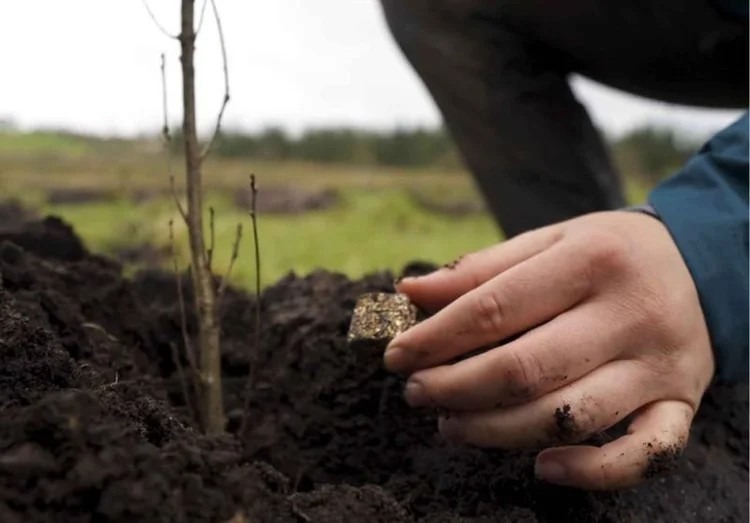
What exactly are these fungi, and where does their “miraculous” power come from?
The mycorrhizal fungi pellets significantly improve the success rate of tree planting. This allows young saplings to thrive, exhibit drought resistance, and overcome the high mortality rates that, unfortunately, are common within the forestry industry.
Widespread Application
Evidence shows that these fungi are highly effective across various sectors, from native woodland restoration to commercial forestry plantations. Ultimately, these pellets are designed to deliver maximum results with minimal effort.
The product simply needs to be placed into the top layer of soil, ideally at a depth of about 10–15 centimetres. This gives the fungi a much better chance of connecting with the tree roots. When applied correctly, the results are extraordinary.
Key Benefits
Any product is best judged by its advantages. Regarding this innovative solution, the strengths of mycorrhizal fungi pellets can be summarised as follows.
Firstly, they significantly improve survival rates. In real terms, sapling mortality is reduced by approximately 25 per cent.
Furthermore, these fungi are excellent at accelerating forest recovery. Woodlands return to a healthy state faster, and as an added bonus, soil biodiversity is enhanced.
The pellets also increase resilience. Plants become better equipped to handle drought, disease, and other unavoidable environmental stressors.
Perhaps one of the most critical advantages is the increased rate of carbon sequestration; a healthy, robust tree is capable of absorbing far more carbon from the atmosphere.
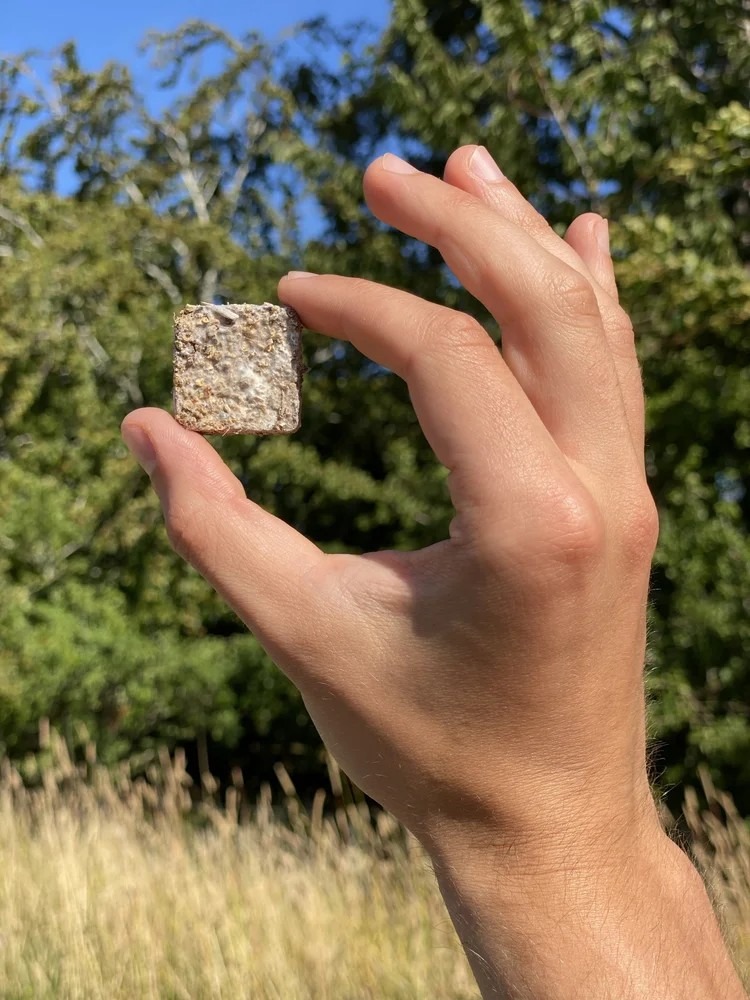
In this way, innovations in farming, agriculture, and forestry can effectively solve many pressing problems. Through the expertise of talented scientists, highly practical tools are being developed that help achieve desired environmental results much faster.
Specifically, mycorrhizal pellets have shown remarkable results in extending the lifespan of trees. As trees are the “lungs of the planet,” fighting for their survival is vital, especially as chemical fertilisers, deforestation, and other adverse factors constantly threaten their health.
These pellets represent a unique, innovative solution that not only extends a tree’s life but also accounts for crucial nuances such as soil type and nutrient profiles.
The success of these “lifesaving” fungi proves once again that modern science can achieve great things for the benefit of nature. Human influence can be transformed from a negative force into a valuable resource. Ultimately, the choice remains ours: to let nature perish or to exert every effort to ensure a healthy environment where wildlife thrives and plants continue to perform their essential roles in the biosphere.