Scottish farms are renowned for the diversity of their produce, championing a healthy lifestyle and the appeal of organic products. Yet, while discussions about farming often turn to healthy eating and modern agricultural techniques, the rich history of these establishments is frequently overlooked. This is a shame, as many have existed for centuries, their pasts woven into the very fabric of the nation’s story. Find out more at edinburghname.
Edinburgh’s farms are no exception, and their histories hold fascinating secrets about the evolution of agriculture and life in the region.
Origins in the Middle Ages
Swanston Farm is rightly considered one of Edinburgh’s oldest. Its incredible story begins as far back as 1214, when it was part of The Barony of Redhall. However, one theory suggests its name has Norse roots, which could mean it was founded even earlier, between the 9th and 11th centuries.
The historic Swanston estate once stretched from Oxgangs Road to the Pentland Hills. The farm is mentioned in numerous 14th-century documents and was once part of the temple lands of The Knights of St. John, serving as a grange for the monks.
A Source of Water and a Point of Protest
By the 15th century, the farm was divided into Easter Swanston and Wester Swanston. In 1670, it was acquired by the Trotter family. The farm played a crucial role in the city’s development. In 1762, the Town Council built Swanston Cottage as part of a project to strengthen Edinburgh’s water supply from Comiston, incorporating springs from Swanston.
Interestingly, Swanston Cottage was rented during the summer months by the parents of the famous writer, Robert Louis Stevenson.
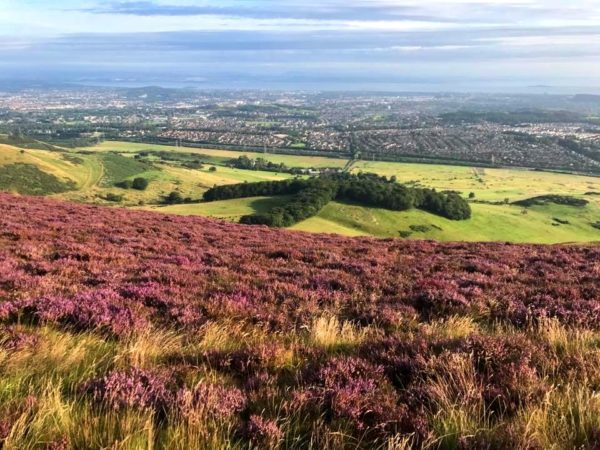
This period also saw a notable conflict. An Act of Parliament in 1758 authorised the Edinburgh Corporation to pipe water from Swanston lands to the expanding city. The owner, Henry Trotter, fiercely opposed this. When his appeal to the House of Lords was dismissed in 1760, he is said to have planted a wood in the shape of the letter ‘T’ on the hillside as a permanent sign of his protest. Despite his efforts, The Swanston Waterworks was completed in 1761 as part of Edinburgh’s first piped water supply.
A New Era of Ownership
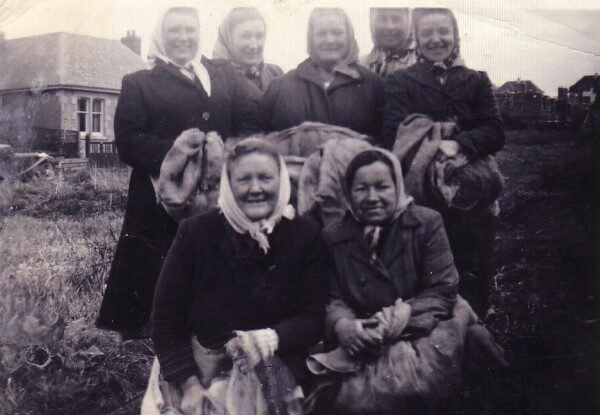
From the 1930s, the farm was rented by the McClung family, who cultivated potatoes on the land. In the 1970s, following the death of the landowner, they purchased the farm and became its new owners.
Crisis and Reinvention
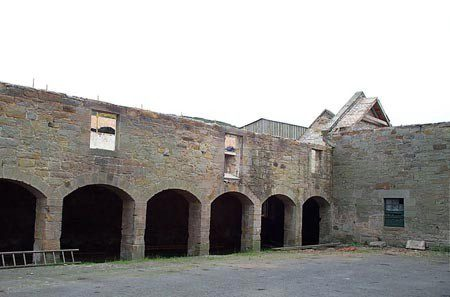
In 1998, the McClung family faced intense competition in the potato market. This crisis forced them to think creatively about the farm’s future. In 1999, they began an ambitious project to redevelop the old farmstead. By 2001, the restoration of several old buildings was complete, transforming them into charming holiday cottages, each with its own kitchen and small garden.
Crucially, key historic features were preserved. The original stone arches, for instance, were beautifully repurposed as distinctive windows.
The McClungs’ ambition didn’t stop there. In 2007, they constructed a new building on the farm, which now houses a popular brasserie. It has since gained a reputation as a wonderful venue for weddings and corporate events.
A Modern Farm with a Historic Heart
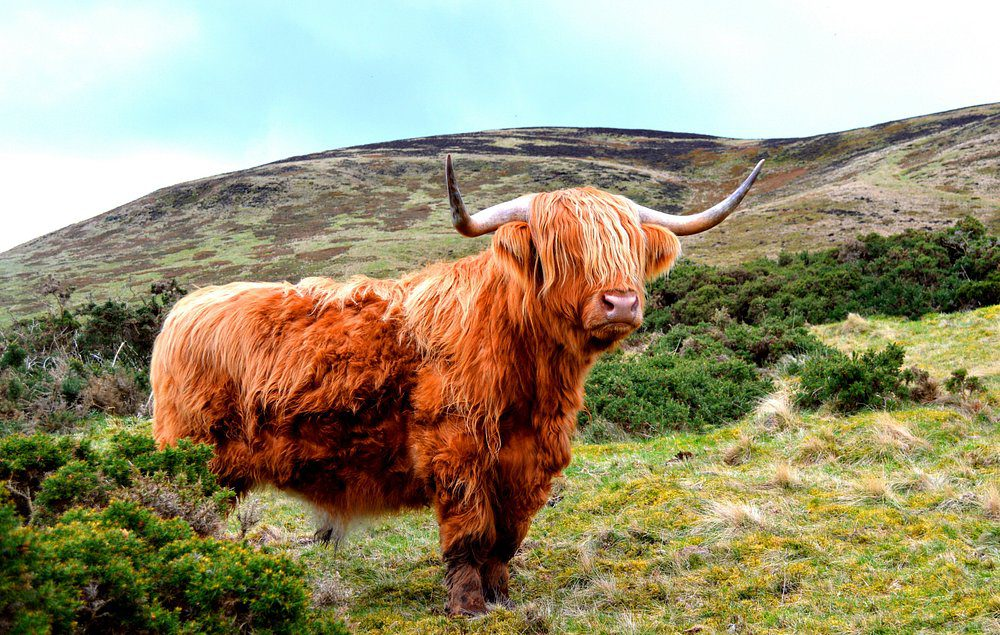
Today, visitors to Swanston Farm can immerse themselves in a rural atmosphere right on the edge of the city. While it isn’t a classic petting farm and you won’t see traditional livestock pens, you can meet some remarkable animals. Swanston Farm is home to a herd of Highland cows and a flock of goats. These animals are used for conservation grazing, a targeted method to help maintain and increase the biodiversity of the land.
Swanston Farm stands out for its unique history, with each era reflecting the challenges and changes of Edinburgh itself. Even as it has transformed under new ownership, the farm has retained its authentic details. Visitors today are offered a wonderful opportunity to experience an atmosphere of antiquity and incredible nature, harmoniously blended with modern enterprise.