

Edinburgh is a city with a wealth of interesting places to visit. Its attractions not only offer an enjoyable pastime but also significantly broaden horizons. Find out more at edinburghname.
Among these, Edinburgh Zoo stands out. Beyond observing animals, everyone can learn a great deal about nature there. This is because the institution actively collaborates with organisations and volunteers dedicated to environmental well-being, with raising eco-awareness being an integral part of their mission.
Bringing the Dream of a Natural Zoological Park to Life
The history of Edinburgh Zoo began with The Royal Zoological Society of Scotland, an organisation founded in 1909 by lawyer Thomas Hailing Gillespie.
And it was Gillespie who later envisioned creating a zoological park. To achieve this, he acquired a large plot of land in 1913.
Thomas passionately wanted the animals there to live their natural lives, unrestricted by small enclosures.
After the necessary design work was completed, the highly anticipated zoo opened its doors on 22nd July 1913.
The Edinburgh Debut of the Penguins
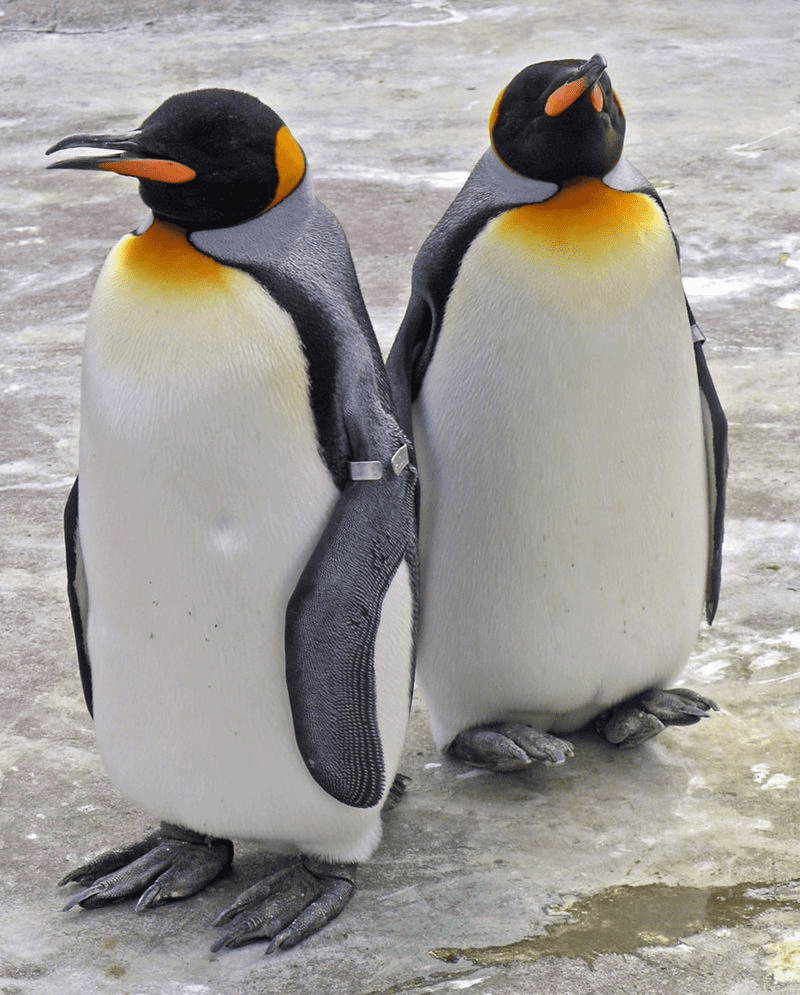
Interestingly, a significant event occurred at Edinburgh Zoo the following year, in 1914. This was when Christian Salvesen’s whaling expedition brought three king penguins to the zoo.
And 1919 marked a true marvel, as it saw the first recorded hatching in captivity of a king penguin chick in Edinburgh.
Acquiring a Renowned Park and Jointly Pursuing a Core Idea
It’s worth noting that in 1986, The Royal Zoological Society of Scotland became the owner of The Highland Wildlife Park. This acquisition subsequently led to a fruitful collaboration between the two, raising the commitment to providing animals with the most suitable living environment to a new level.
Proven Methods for Promoting Zoo Initiatives
In Edinburgh Zoo itself, they strive to uphold an active programme of breeding, biodiversity conservation, and sustainable development. Donations, volunteering, and adopting animals have all become proven methods through which the zoological park advances its projects and initiatives.
A Pool for Penguins and Leased Pandas
If we talk about the animals residing at Edinburgh Zoo, their number is truly impressive. Visitors have a unique opportunity to get closer to various species and observe them living in conditions as close to their natural habitat as possible.
Specifically, for the aforementioned penguins, a massive pool with ample space was constructed, meaning the birds can move freely without suffering from a lack of territory.
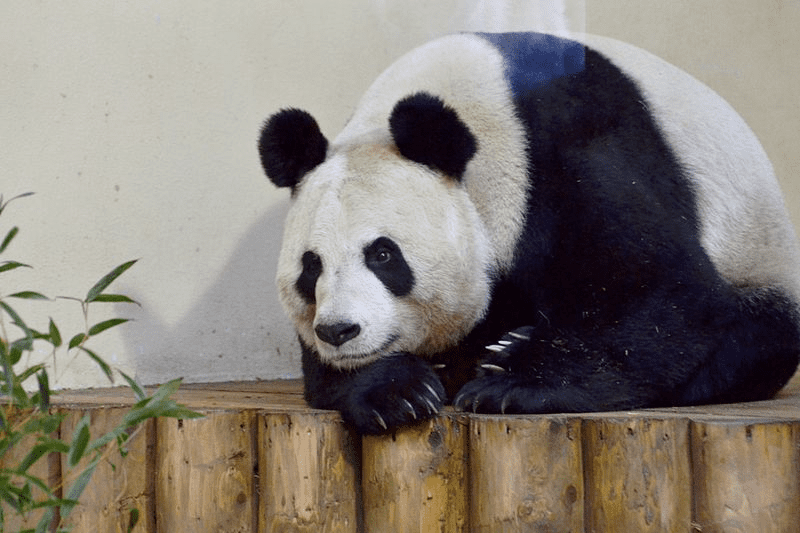
In 2011, Edinburgh Zoo’s collection expanded with the arrival of two magnificent pandas. The management allocated £285,000 to build a special enclosure for the animals. At the time, this was the first instance of pandas being housed in the United Kingdom.
However, as it turned out, the cute bears were leased from Bifengxia Giant Panda Base (a Chinese giant panda research and breeding centre). And in the winter of 2023, Edinburgh Zoo, in accordance with the agreement, had to return them to their homeland.
Giraffe Enclosure
2019 was memorable because the management of Edinburgh Zoo publicly announced the start of a project to design a giraffe enclosure. A fundraising campaign was subsequently launched to support the necessary construction.
This initiative came to fruition. And in June 2021, a wonderful house for giraffes, with five tall residents, appeared at the zoo.
Diversity of Mammals
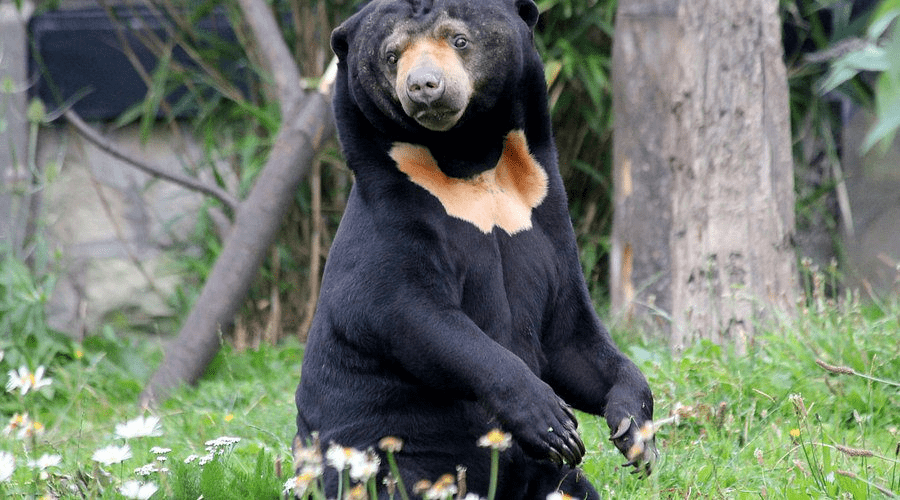
As mentioned earlier, Edinburgh Zoo’s collection boasts an astonishing diversity. In addition to the animals already highlighted, visitors can see such mammal species as: red river hogs, ring-tailed lemurs, Asiatic lions, Sumatran tigers, anteaters, Scottish wildcats, sun bears, and more.
Research Centres
It’s fair to say that Edinburgh Zoo is a place that not only provides interesting and quality leisure. Powerful scientific research is also actively conducted there.
Various centres were created for this purpose. In particular, Living Links studies primate behaviour.
Budongo Trail opened in 2008. This is a naturalistic enclosure for chimpanzees. It’s a kind of complex consisting of an outdoor area for primates, three separate indoor zones, viewing areas, and a lecture hall for the public. All chimpanzee research takes place under the aegis and control of The Royal Zoological Society of Scotland.
Education as a Key Area of the Zoo’s Work
In addition, it is important to note that Edinburgh Zoo is a place where educational activities are actively conducted. The latter is also brought to life thanks to The Royal Zoological Society of Scotland.
Interesting classes using interactive programmes are held on the territory of the zoo and The Highland Wildlife Park. Volunteers are also involved in this process, helping visitors of all ages to better absorb the material and, of course, learn more about nature.
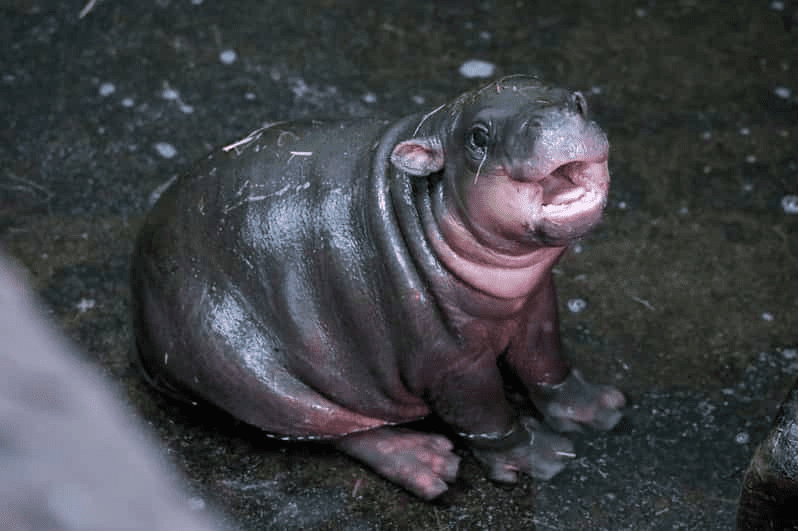
Thus, Edinburgh Zoo can quite rightly be called a separate complex where animals live in maximally natural conditions. And the management, volunteers, and staff fully contribute to biodiversity conservation and sustainable development. On average, over 600,000 people visit this place annually. This indicator gives Edinburgh Zoo the status of one of Scotland’s most popular paid attractions.