

Edinburgh’s natural world is incredibly rich and vibrant, a harmonious tapestry woven from countless fascinating details. Insects, in particular, are a prominent feature of the local fauna. Their segmented bodies and jointed limbs set them apart from other living organisms, yet this unique characteristic certainly doesn’t make these creatures any less interesting or important. You can find out more on edinburghname.
The sheer variety of insects is a direct result of the Scottish capital’s diverse landscapes, which provide a rich array of habitats. Whether they’re helpful allies or occasional pests, these creatures play a vital role in the ecosystem. In essence, they beautifully illustrate the dynamic connection between Edinburgh’s ecology and its remarkable biodiversity.
This article will delve into some of the unique insects you can spot in this bustling region.
The Butterfly with Unusual Colours
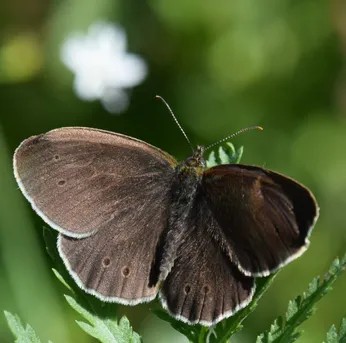
One striking inhabitant of Edinburgh’s ecosystem is the unique Ringlet butterfly, also known as Aphantopus hyperantus.
Meadows and woodland edges are prime spots to observe this delicate creature. Here, you can witness its gentle fluttering and admire its muted colour palette. The distinctive markings aren’t just for show; their unusual spots help the butterfly remain hidden from predators.
Interestingly, these patterns subtly change with the seasons. In summer, the butterflies’ wings feature brighter markings, while in spring, their camouflage is more adept at blending into the local landscape.
As for their diet, adult Ringlets have a penchant for blackberry nectar, making them active participants in the pollination process.
The Highly Intelligent Insect
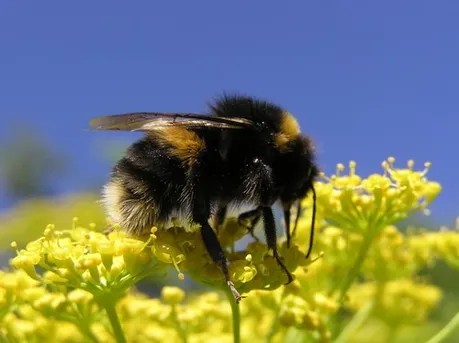
The Yellow-tailed Bumblebee is another prominent member of Edinburgh’s insect population and is one of the most common species of its kind.
Notably, this bumblebee boasts a relatively high level of intelligence. Not only can it navigate considerable distances to return to its nest, but the adults can also readily identify flowers by their colour.
Another fascinating characteristic is that the queen of this particular bumblebee species mates with only one male.
The Tiny Beetle Unafraid of Predators
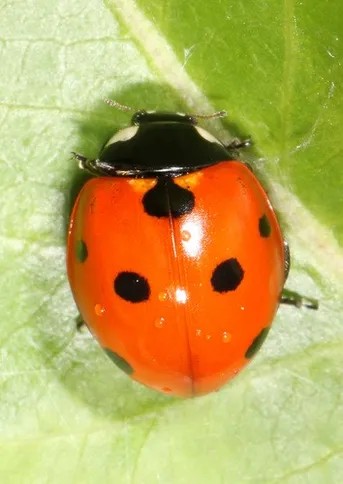
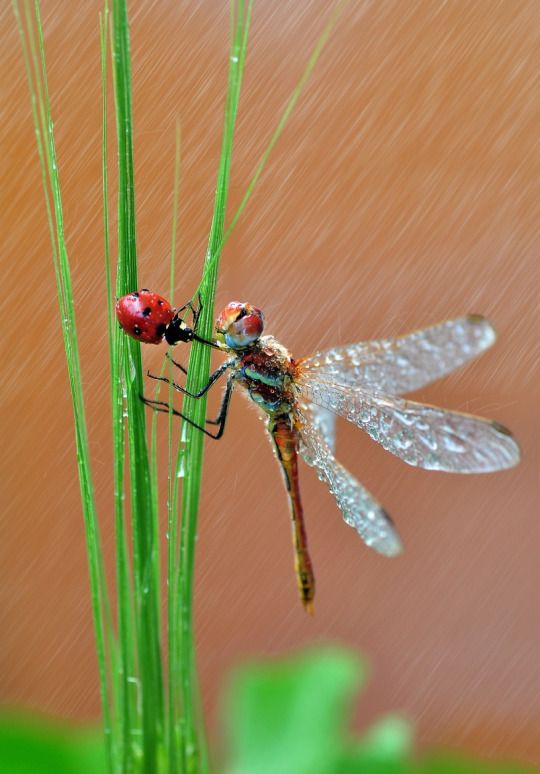
The Seven-spotted Ladybird is rightfully considered one of Edinburgh’s most beautiful insects, and it’s the most widespread species of its kind across Europe.
Thanks to its vibrant colouring, this tiny creature can deter predators. It’s also remarkably good at playing dead or exuding a foul-smelling liquid to discourage any predator from making it a meal.
The Graceful Flying Hunter
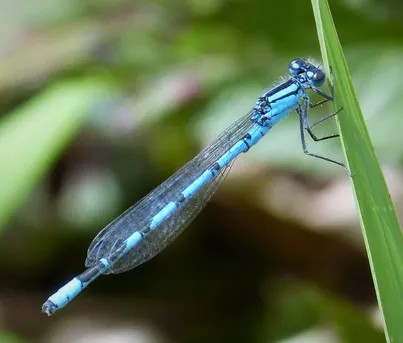
The Common Blue Damselfly (Enallagma cyathigerum) is another incredibly beautiful inhabitant of the Scottish capital’s ecosystem. Its distinctive feature is its colouration, though surprisingly, only the males possess the delicate blue hue, while females are a pale brown.
These insects play a valuable role in the ecology of freshwater regions. Damselflies are predators; their diet consists of flies, mosquitoes, and other small insects, which they deftly catch in mid-flight. Their excellent manoeuvrability and speed are truly impressive. They even hunt spiders!
These damselflies are particularly susceptible to pesticide pollution, making them a very sensitive indicator species.
A Vibrant Local Fauna Representative
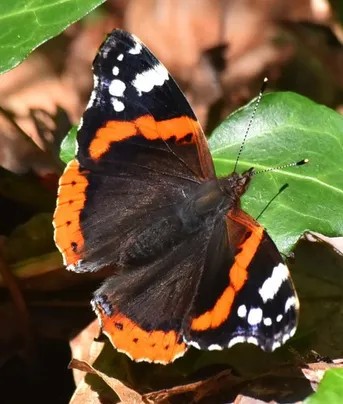
It’s no secret that Edinburgh and its surroundings boast numerous parks and green spaces, perfect for enjoying the fresh air. And it’s in these very spots that you can encounter some truly stunning and vibrant insects. The Red Admiral is one of the most unique.
This butterfly species is not only attractive but also fascinating in its behaviour. Males often compete for chosen territories, while females will only mate with males capable of defending their own patch.
This butterfly is also known for its tolerance to human presence, often perching on clothing or even on people themselves.
Ultimately, the Scottish capital’s ecosystem is incredibly diverse, and the abundance of amazing insects there is the best proof of this.
This wealth of butterflies, damselflies, and other creatures not only inspires awe at nature’s richness but also helps the region preserve its fauna and, of course, maintain natural processes. As mentioned earlier, many insects prey on smaller relatives, which in turn become food for fish, lizards, and other species.
This is how the vital life cycle is sustained, without which the proper functioning of the ecosystem would be difficult to imagine.
It’s up to us to protect all of this. Even as humanity makes great strides in evolution, particularly technological, we must strive not to cause harm. Modern realities, after all, offer the opportunity to develop anything. Environmentally friendly products and equipment are no longer fantastical concepts. All that’s needed is genuine desire.