

In the morning mist over the Royal Mile, echoes of past centuries still linger. But between the grey walls of the Old Town, new symbols of the age are emerging: solar panels on rooftops, well-tended community gardens, and near-silent cycle paths. The capital, once shrouded in industrial smoke, is now learning to coexist with natural light. This is a daily, meticulous effort—a culmination of hundreds of small yet significant actions that are fostering an environmental mindset among its residents. More at edinburghname.
This article explores the scale of the Scottish capital’s journey to create its own “green” identity. We will cover the city council’s initiatives, inspiring community movements, and the ordinary people who are making environmental care a part of their daily lives.
The 2030 Challenge
As a capital city, Edinburgh bears a special responsibility for sustainable development. Consequently, city leaders have officially declared a target: to become carbon-neutral by 2030. At first glance, this might seem like just another declaration to reduce CO₂ emissions. However, it is taking shape as a comprehensive plan, envisioning a complete overhaul of key urban systems: transport, energy supply, green infrastructure management, and food resources.
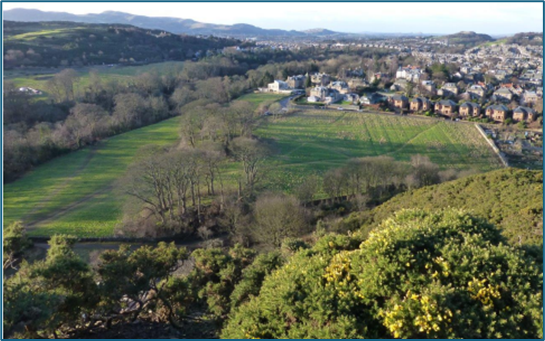
For residents, this strategy turns abstract environmental goals into a new reality. It is becoming clear that every individual choice, from how you travel to the products you select from tempting supermarket shelves, carries weight in achieving this common goal. According to regional reports, Edinburgh households are already demonstrating greater “climate consciousness”, generating less waste than they did just a few decades ago.
Restoring the Natural Environment
A key part of this eco-centric concept is moving away from the idea that the city and nature are separate. Instead, the “Edinburgh Living Landscape” programme is being actively implemented—a joint initiative by the City Council aimed at creating, restoring, and connecting green spaces into a single network. Its practical application is delivered through the “Edinburgh Nature Network” approach. This operates on clear principles: not just protecting what exists, but also creating or enhancing natural habitats.
Instead of perfectly manicured lawns, many parks and even roadsides now feature wildflower meadows, with grass-cutting frequency deliberately reduced. New trees are being planted, and parts of familiar territories are becoming corridors that allow wildlife to move freely.
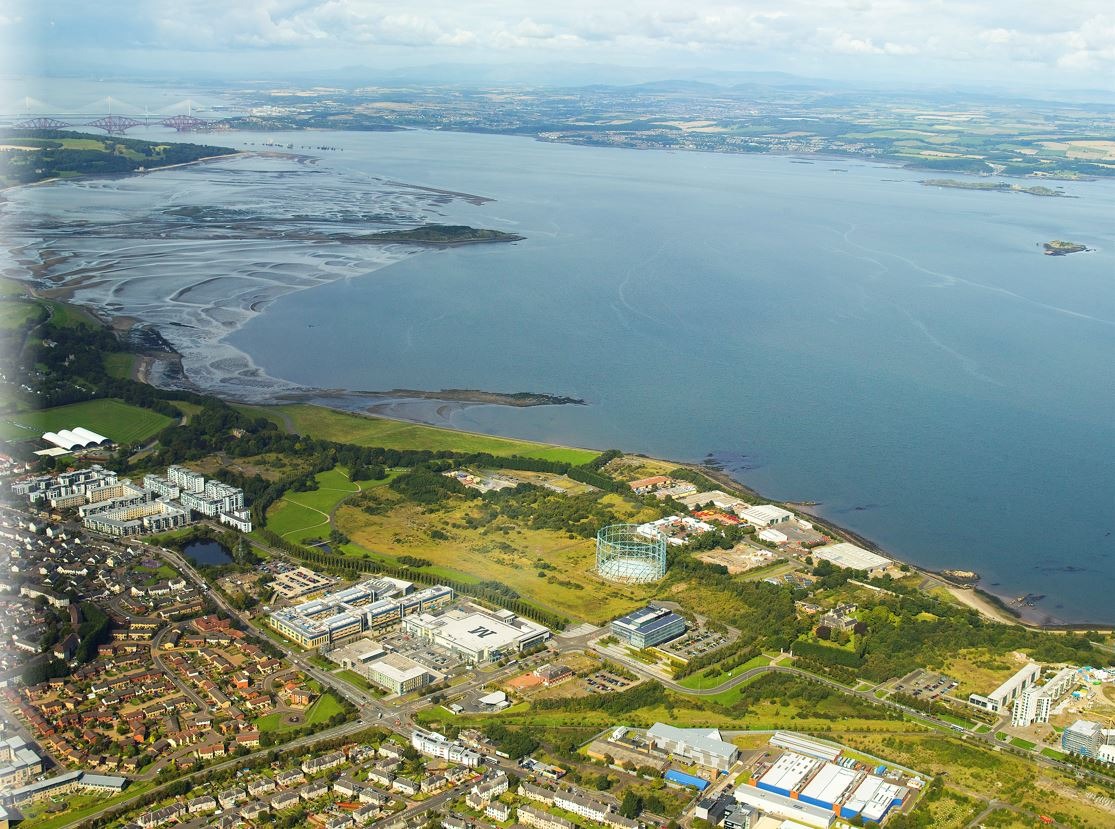
These changes have also extended to housing development. For instance, the city’s north side has launched the Granton Waterfront development project. The area is planned as a low-carbon neighbourhood where residents can reach work, schools, and shops within 15 minutes on foot, by bicycle, or via public transport. The primary goal is to reduce dependency on private cars, as their exhaust fumes are damaging the atmosphere.
The Food Revolution
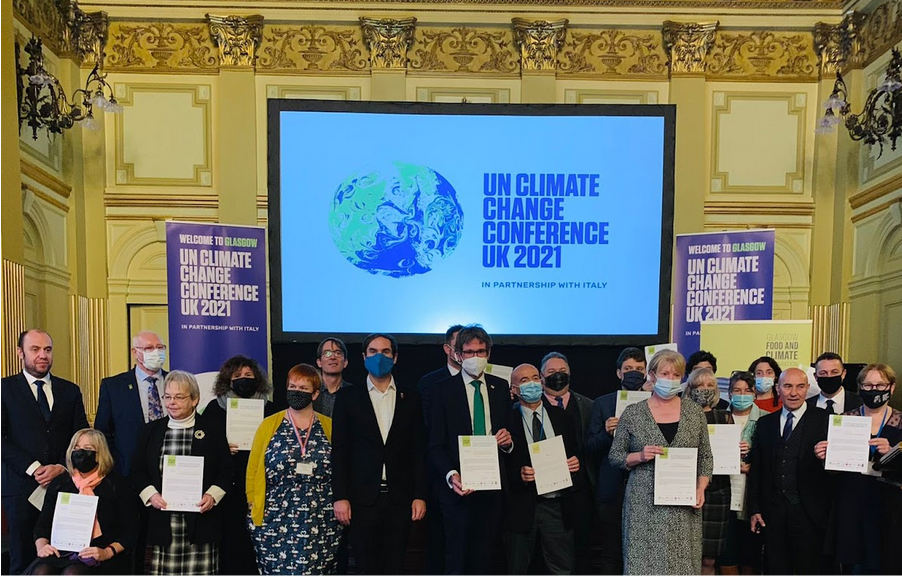
In 2021, Edinburgh joined the ranks of the Glasgow Food and Climate Declaration. By doing so, the city officially recognised the critical role of the food system in achieving net-zero emissions. This was followed by the adoption of the “Growing Locally” document, affirming that communities and organisations must be involved in local food production.
To provide tangible support, councillors have allocated dedicated budgets. These funds are directed towards planning new food-growing spaces within the city, supporting biodiversity on these plots, and raising residents’ awareness of the close link between food, personal health, and the state of local biotopes.
The Driving Force for Change
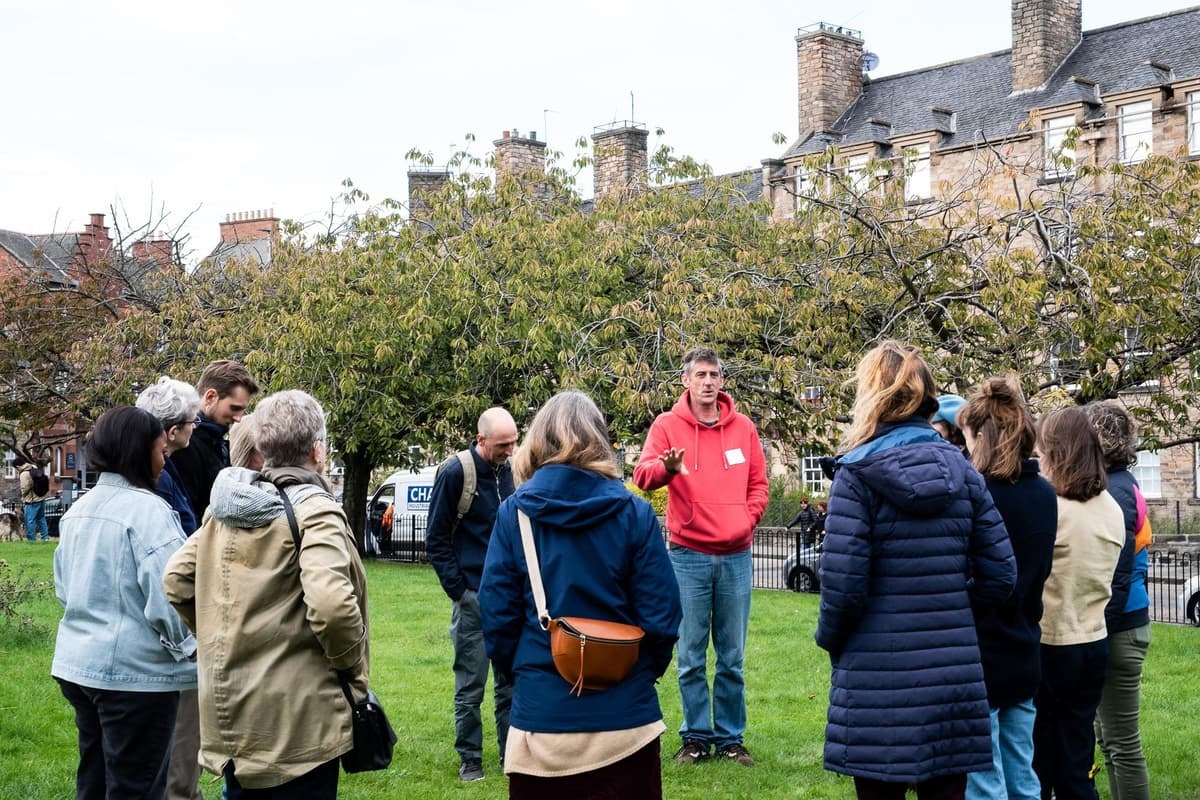
The success of any ambitious plan depends on strong public participation. Network organisations like the “Edinburgh Communities Climate Action Network” (ECCAN) form a crucial link. The platform’s work involves providing local initiatives with the necessary support, allowing Edinburgh residents to exchange ideas, form like-minded teams, and take action in their own neighbourhoods. Alongside this, massive grassroots movements exist: the “Edinburgh Sustainable Meetup” group has over 2,600 members and regularly organises meetings, workshops, and upcycling events.
Furthermore, this ecosystem extends beyond the household level, gradually integrating into the corporate environment. The University of Edinburgh, through its “Edinburgh Earth Initiative”, promotes interdisciplinary research in the environmental field. Another notable programme is “Edinburgh Pathway”, which focuses on building sustainable supply chains. This combination engages all sectors of society, from volunteering to high-level science.
Direct citizen involvement is seen in voluntary clubs, active meetings, and permaculture projects (such as “Lauriston Farm”, which warmly welcomes new initiatives). Of course, this also raises challenges: how to ensure a sufficient level of engagement; how to involve groups that are often left behind; and how to overcome “climate nihilism”—that dangerous feeling that one’s personal contribution can’t make a difference in the face of global issues.