

Walk the streets of Edinburgh, and you’ll notice a subtle, yet significant, change. It’s becoming rare to see flowers that have traveled thousands of miles overseas. Instead, you’ll find bouquets born in local Scottish gardens—a little imperfect, perhaps, but bursting with life and authenticity. This shift in the perception of beauty signals a wider trend: Scots are increasingly embracing authenticity, seasonality, and local sourcing. Floristry here is slowly evolving from a luxury pursuit into an ethical practice, where the story and origin of every plant truly matter. Find out more on edinburghname.
Our goal is to explore the floral sector as a compelling example of sustainable urban entrepreneurship. We will delve into the innovative ideas of local farmers, eco-conscious florists, and communities supporting the “slow flowers” movement. We’ll also examine the impact of the pandemic and the climate crisis on this fresh approach to beauty in Scotland’s magnificent capital.
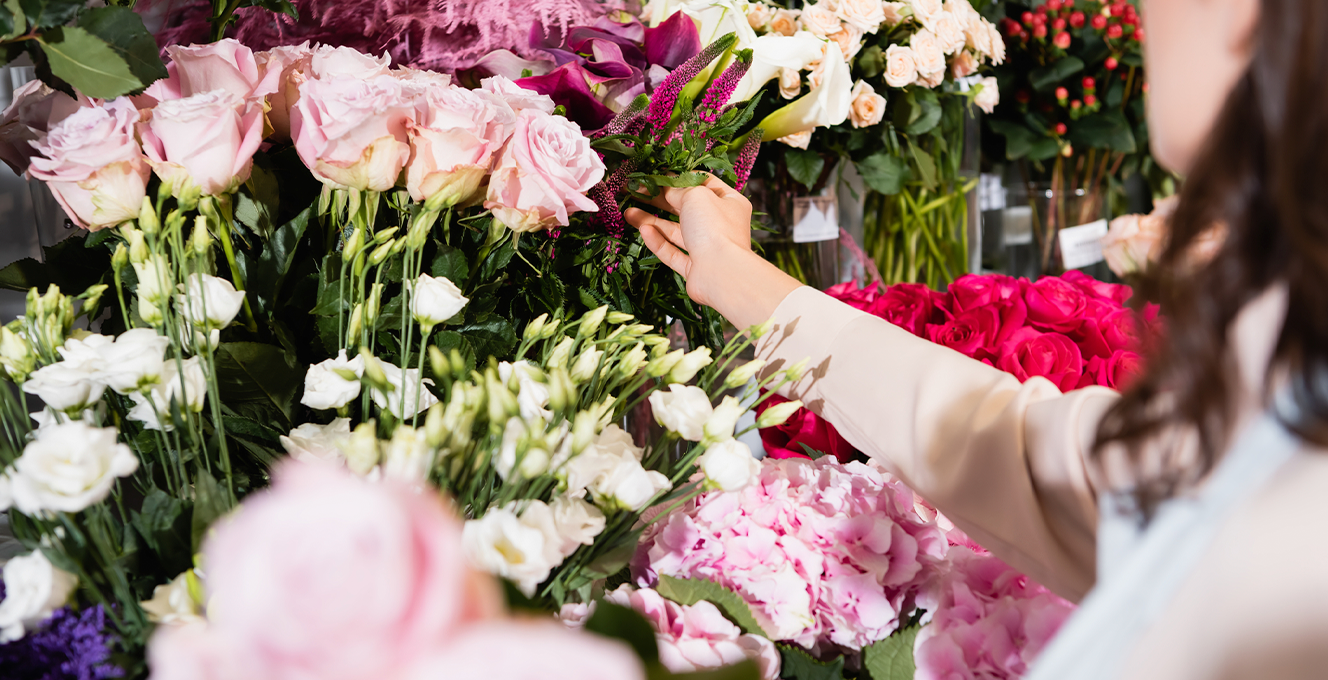
The Shift in Flower Trends
The floristry business across the UK has undergone a genuine transformation over the last decade. While store shelves were once packed with roses flown in from Kenya or tulips from the Netherlands, consumers are now actively paying attention to a bouquet’s provenance. The concept of “flower miles”—the distance a bloom travels from farm to customer—is now routinely scrutinized. Buyers are checking for pesticide content, demanding a reduced carbon footprint from transportation, and prioritizing purchases from regional farmers.
Research from Scottish Enterprise confirms this movement: the demand for locally grown produce in Scotland has been growing steadily and continues to rise, averaging approximately 2.5% annually between 2017 and 2022. This dynamic clearly showcases a fundamental shift in consumer values toward more sustainable and local options.
Cultivating a Conscious Bouquet Culture
Leading this movement are the micro-farms sprouting up in the Edinburgh area. Moss Botanicals Edinburgh, founded in 2021, is a prime example. They cultivate seasonal flowers using strictly organic, chemical-free methods. Their “Friday Flowers” initiative—a weekly box of freshly cut blooms—perfectly illustrates a model where the grower, florist, and distributor merge, significantly shortening the supply chain. To strengthen the local segment further, the Flower Grower Collective was established. This innovative co-operative functions as a shared marketplace, giving florists access to the products of multiple regional farmers through a single online platform.
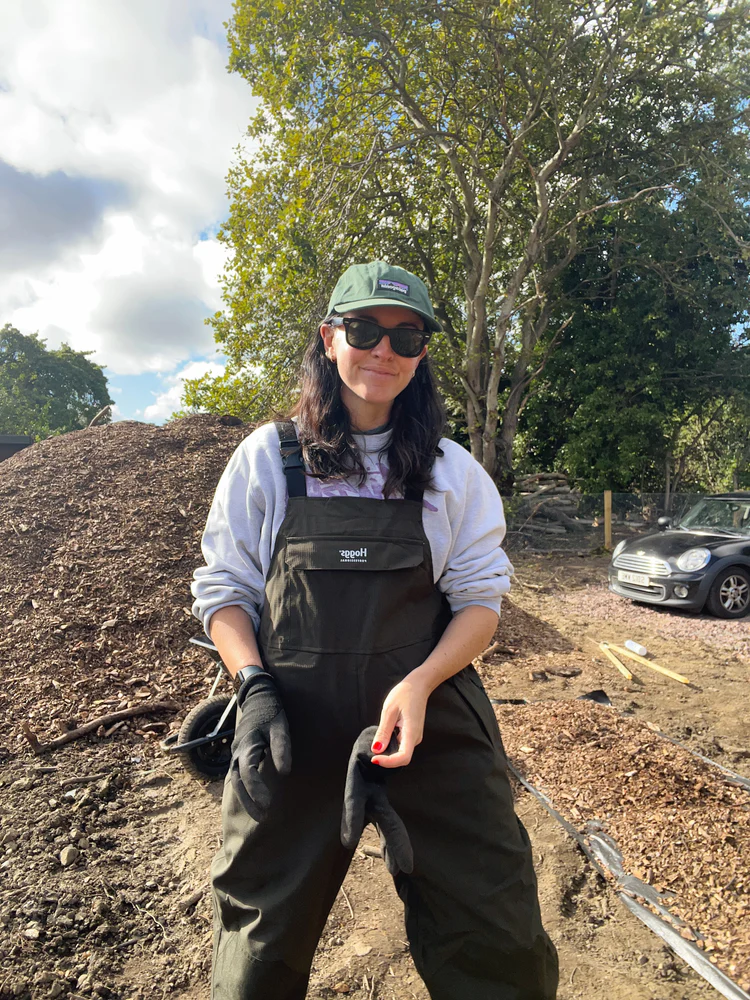
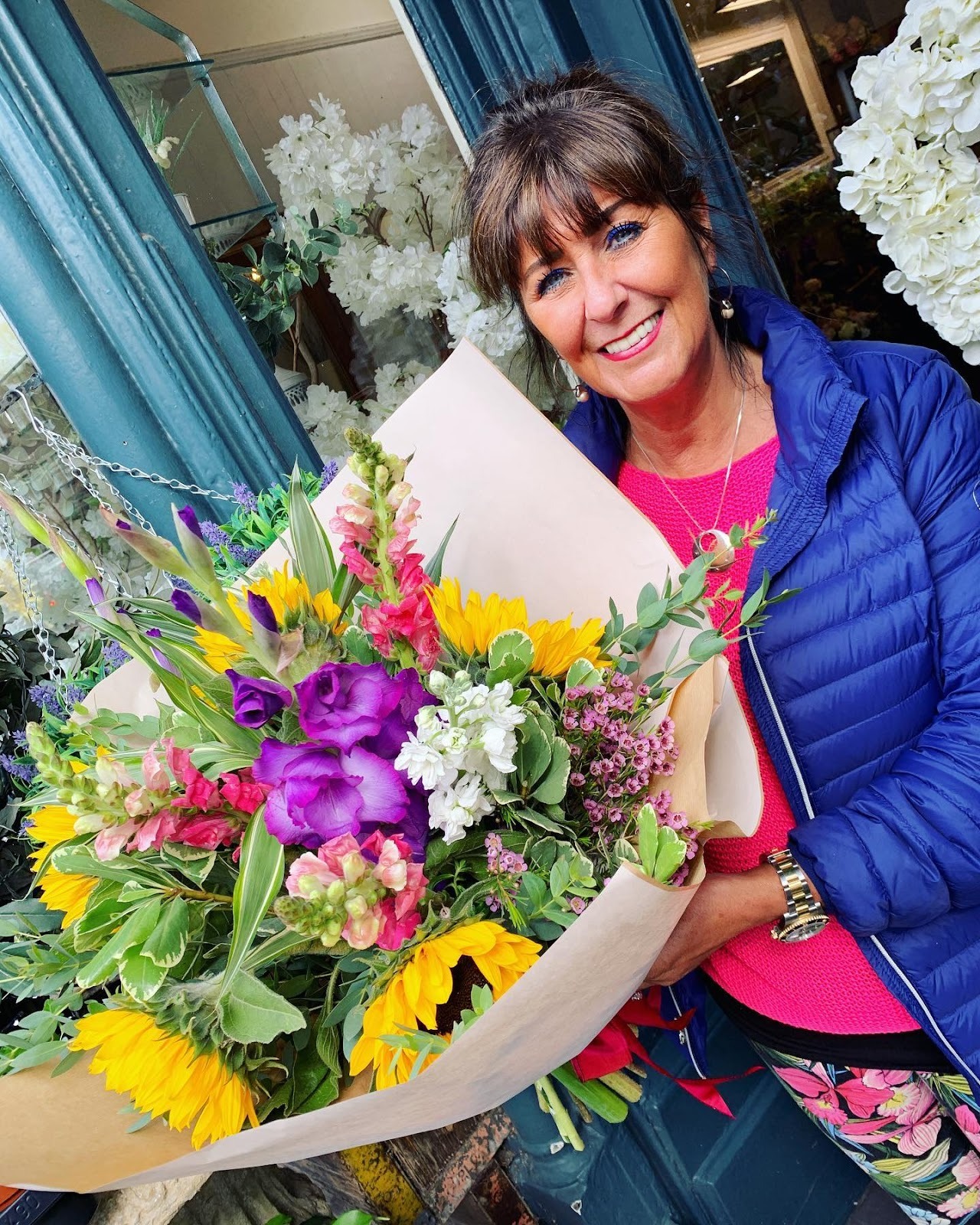
Having such a strong local supply base allows city studios to build their brand around values of ecological consciousness. Independent studio Bryonia actively champions the “slow flower” approach, emphasizing the principle of “grown not flown.” They advocate for completely moving away from harmful floral foam, adopting “foam-free mechanics.” In Bloom Studio also proudly touts its status as a “100% independent specialist” who prioritizes Scottish suppliers whenever possible. Meanwhile, Lorraine Graham Flowers focuses on seasonal, regional materials and isn’t afraid to experiment with unusual varieties, offering clients a truly unique floral experience.
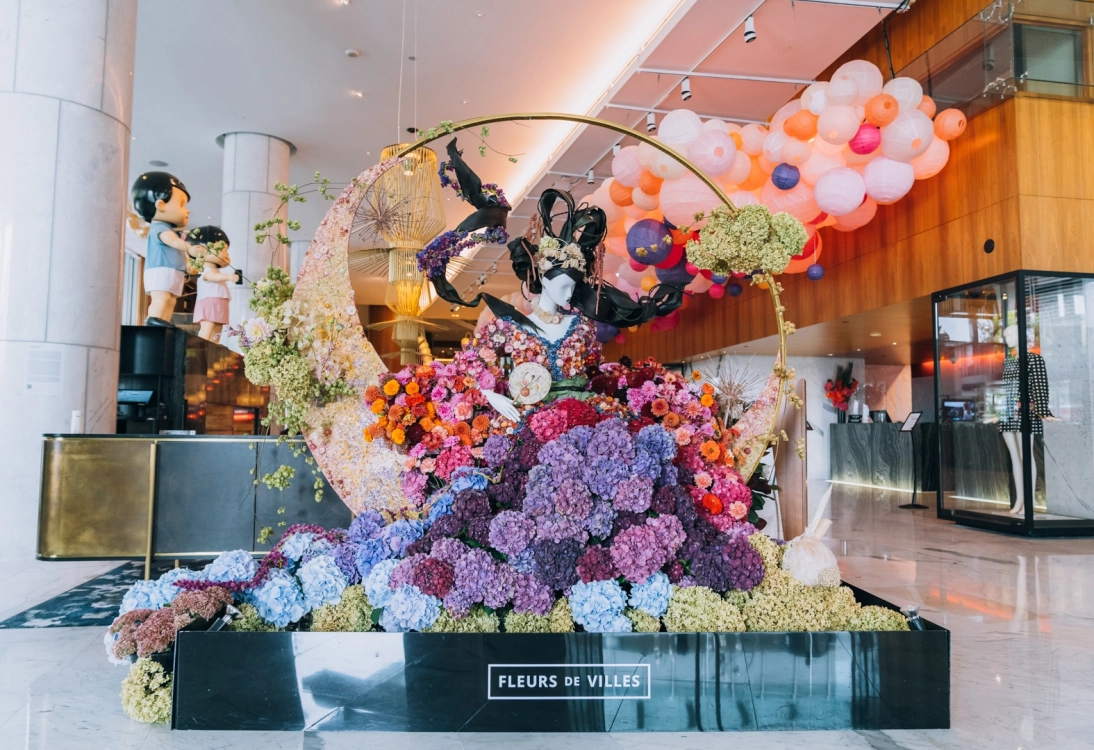
Beyond daily sales, we’ve observed a powerful synergy between horticulture and floral art. A perfect example is the Fleurs de Villes VOYAGE exhibition, which took place in 2023 at the Royal Botanic Garden. A range of floral designers were tasked with creating stunning installations inspired by various world cultures, but with one key condition: they had to use the bounty of the native Scottish landscape. Even as a commercial industry, Edinburgh’s flower scene strives to establish a chain of cultural events and experiences first and foremost.
Would you like me to translate another article or perhaps search for the websites mentioned in this text?