

Edinburgh’s landscapes are a feast for the eyes, boasting a rich tapestry of flora. The sheer abundance of flowers, grasses, shrubs, and trees creates the impression of a living green fairytale. This is particularly striking during the flowering season when the city is bathed in a palette of extraordinary colours and shades. Then there is the fragrance; in spring, the Scottish capital is literally infused with floral scents, creating an all-encompassing atmosphere of freshness, delicacy, and beauty. Read more at edinburghname.
Naturally, various measures are implemented across the city to ensure plants thrive in a comfortable and safe environment. However, the most unique species are kept under strict supervision, supported by specialist institutions dedicated to their care.
A Unique Sanctuary
The Royal Botanic Garden Edinburgh (RBGE) has long served as a sanctuary for exceptionally rare plants, many of which are sadly facing the threat of extinction.
Furthermore, this invaluable collection is officially recognised as a protected heritage site.
The glasshouses do more than just house a staggering variety of plants from around the globe; they also hold the secrets of a fascinating history that dates back to the 17th century.
A Global Scientific Hub
Spanning over 70 acres, the Garden offers breathtaking panoramic views across the Edinburgh skyline.
A visit to this remarkable site is an unforgettable experience. Yet, beyond its undeniable beauty, the Garden is renowned as a world-leading centre for botanical science. Its staff work tirelessly to create the best possible conditions for preserving the planet’s most precious plant species, striving to ensure a brighter future for both humanity and the natural world.
Iconic Structures

A defining feature of the Royal Botanic Garden Edinburgh is undoubtedly its Glasshouses.
These iconic Victorian structures carefully maintain rare plants from various biomes, ranging from tropical to temperate environments. Every specimen is vital for scientific research and species conservation, especially as many of these plants are on the verge of disappearing in the wild.
Rich Collections and Core Activities
The Garden’s Glasshouses are broadly divided into several sections:
- The Tropical Palm House;
- The Temperate Palm House;
- Display houses featuring a diverse range of plants and miniature alpine rock arrangements.
Together, they form a vast living collection used for both scientific study and public exhibition.
Scientific endeavour is at the heart of the Glasshouses’ existence.
They facilitate essential research into the study, conservation, and cultivation of unique species, with a particular focus on ferns, begonias, and rhododendrons.
Key Research Areas
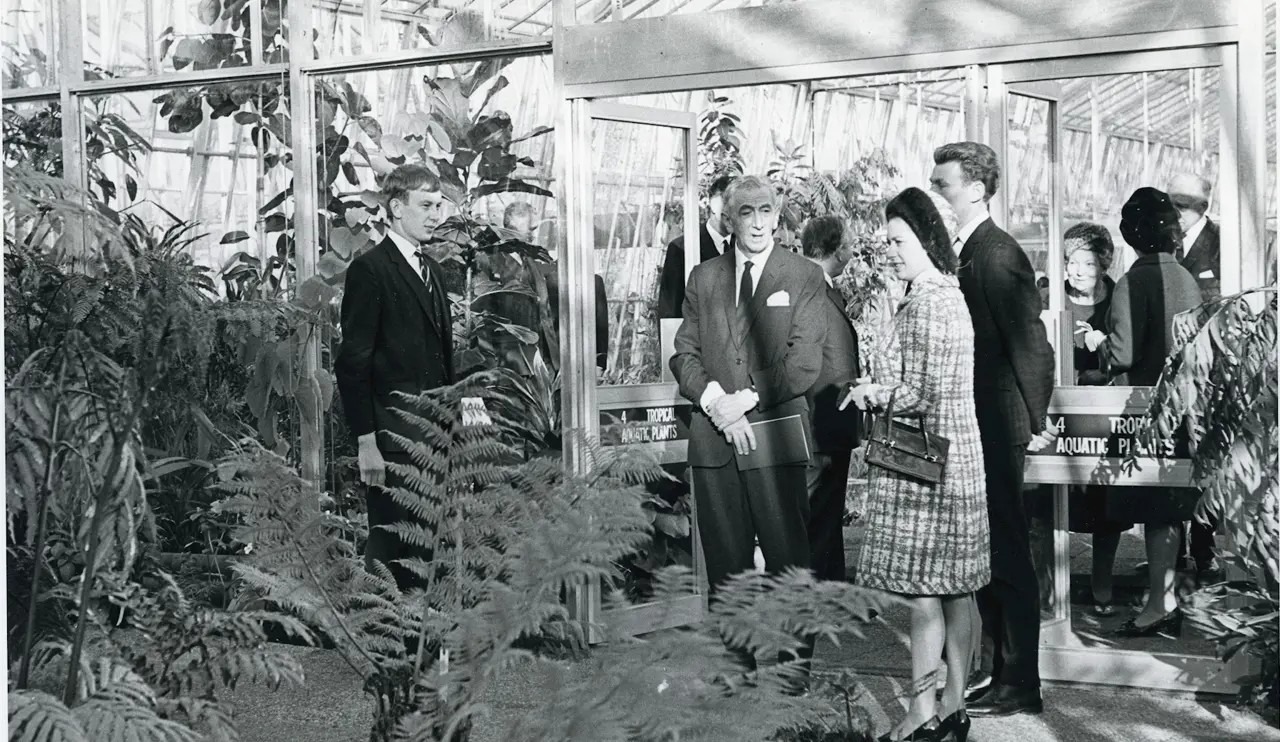
The scientific work within the Glasshouses can be categorised into several primary fields.
Conservation and collection safeguarding focus on creating optimal environments for endangered plants. Additionally, staff are actively involved in developing a living gene bank.
Horticultural research involves specialised work with specific plant families, including Gesneriaceae (such as Streptocarpus), Zingiberaceae (ginger), Begoniaceae, and rhododendrons.
Plant health and quarantine are also integral to operations. The team utilizes modern facilities to study plant diseases and prevent the spread of various pathogens.
Cultivation and propagation efforts aim to maintain the diversity of the collections, which include conifers, giant water lilies, and orchids.
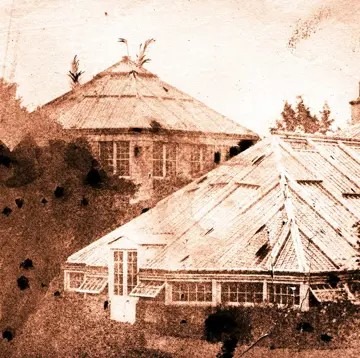
Consequently, the Glasshouses of the Royal Botanic Garden Edinburgh serve as much more than a city landmark. They possess immense scientific value, driving evolutionary research and establishing new models for sustaining rare plant life.
Through broad-scale research, scientists are able to support biodiversity conservation and genomics.
The continuous development of new analytical approaches allows the Glasshouse team to achieve their core objectives: successful propagation, species preservation, advanced research, and public education.
The high level of expertise and extensive experience of the scientific staff enable the development of unique innovations. Each breakthrough helps in the care of the rarest plants, ensuring they are kept in conditions that almost perfectly replicate their natural wild habitats.