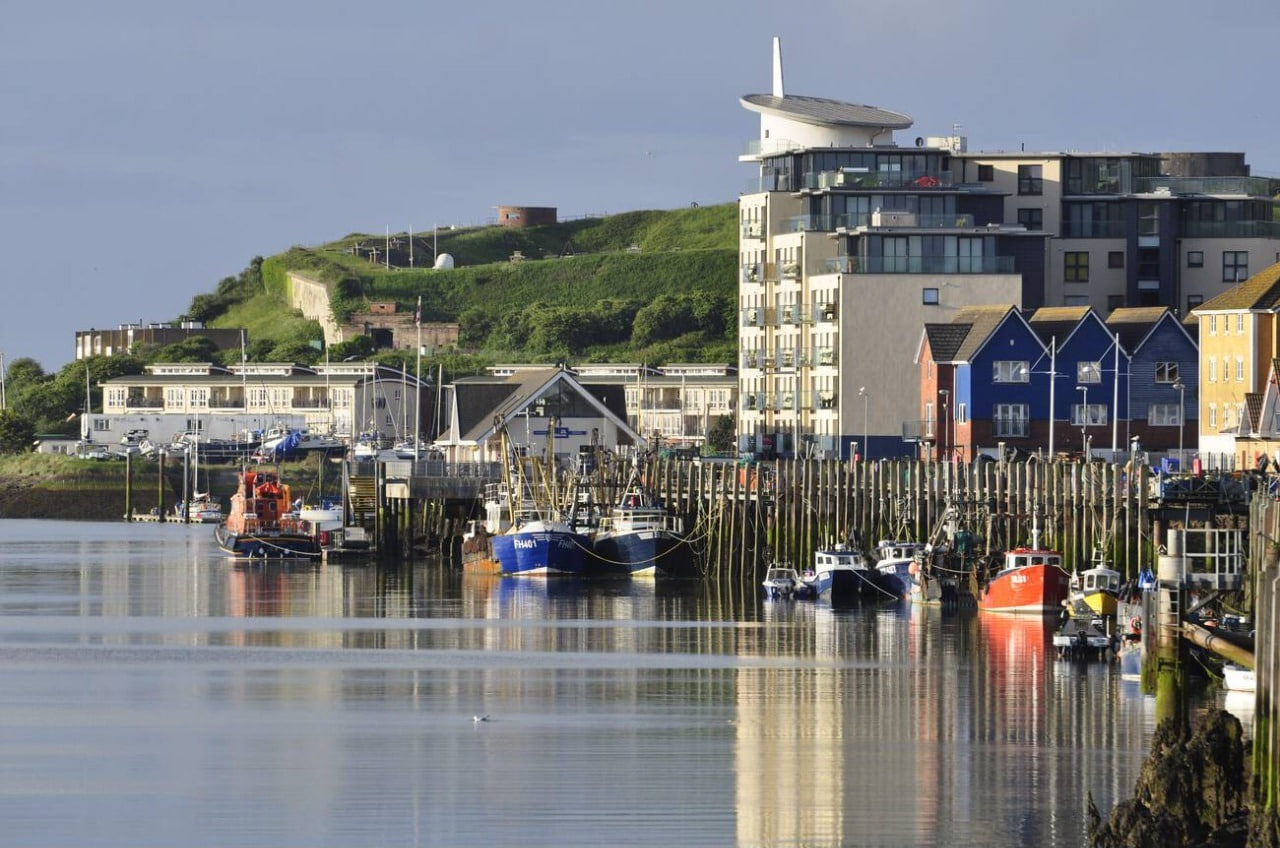
Newhaven Harbour was once the beating heart of a distinctive fishing community that fed the entire city of Edinburgh. It boasts a rich maritime legacy, having formerly served as a royal dockyard where colossal vessels, such as the legendary Great Michael, were constructed. In the 21st century, this historic harbour has transformed into a charming coastal destination, home to leisure craft and an iconic lighthouse. Read more on edinburghname.
The Origins and Rise of Newhaven Harbour
The story of this coastal settlement dates back to the late 15th century, when the port of Leith—situated at the river’s mouth—began to struggle under the strain of booming maritime trade. A pivotal moment arrived in 1504, when King James IV ordered the construction of a royal dockyard: Newhaven. To realise this vision, the monarch purchased land from the Abbot of Holyrood, aiming to create a facility capable of constructing massive warships that were simply too large to be built in Leith. It was on these slipways that the legendary Great Michael—the largest and most powerful Scottish ship of its time—was built.
However, following the death of James IV, the dockyard’s development ground to a halt. Then, in 1544, the settlement suffered significant devastation during an English invasion. Despite these setbacks, Newhaven proved resilient, re-establishing itself as a thriving fishing village. Its strategic location offered easy access to Edinburgh’s rapidly expanding markets. Furthermore, the village became a crucial ferry crossing across the Firth of Forth, connecting to Burntisland and Lower Largo, which bolstered trade and transport links.
A new era of modernisation dawned in the 19th century. A stone harbour was constructed in 1837, extended in 1876, and expanded again towards the century’s end alongside the opening of a new fish market. While herring was the primary catch during this period, the market teemed with various fish brought in from distant coasts. The area’s street names still hint at the diversity of its maritime past; for instance, Whale Brae points to an era when the community was likely involved in the whaling industry or the trade of whale products.
By the 20th century, Newhaven began to lose its distinct identity as an independent coastal settlement. The turning point came with the construction of Leith Western Harbour between 1936 and 1943. A massive breakwater was built out into the Firth of Forth, extending so far that it effectively swallowed the old Newhaven Harbour, integrating it into the larger Leith port complex.
The 21st century has brought a wave of regeneration, shifting focus from industry to community development. A key part of this process was the gradual separation of the active Leith docks from the Western Harbour area, which has increasingly evolved into a hub for modern residential quarters, offices, and amenities. A fresh impulse for integrating Newhaven into Edinburgh’s urban life came with a major transport upgrade: in June 2023, the tram line extension opened, linking the airport and city centre directly to the coast, with the line terminating at the eastern edge of Newhaven.
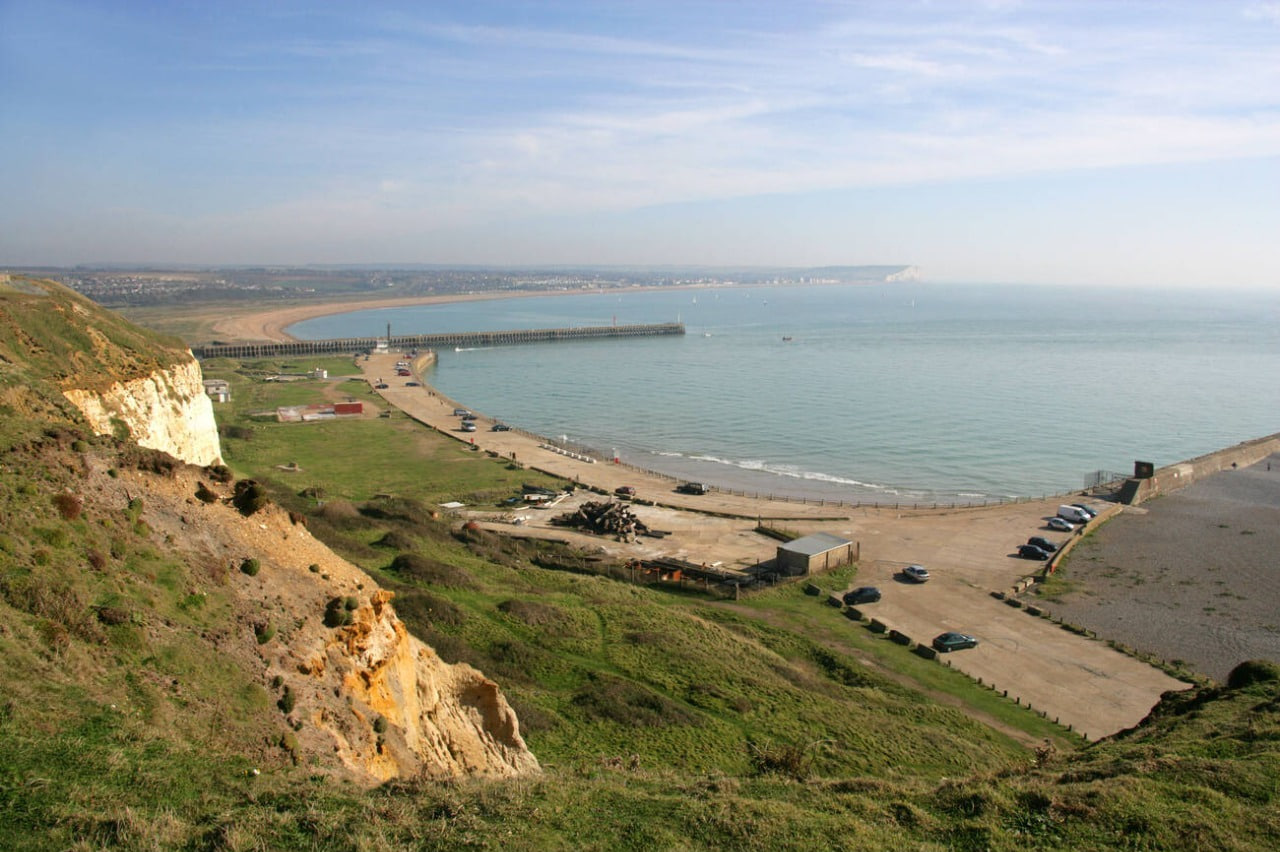
The Legacy and Significance of Newhaven Harbour
From its inception, Newhaven Harbour was a direct response to the growing demands of shipbuilding, fishing, and trade, serving to complement and relieve pressure on the port of Leith. For centuries, Newhaven was a proud industrial community, renowned for its herring, oysters, and even whaling heritage, with local fishers supplying fresh catches to Edinburgh’s streets. Today, the area is defined by small-scale fishing, leisure moorings, and its picturesque lighthouse, while the new tram link underscores the harbour’s enduring connection to the modern capital.