

Edinburgh is widely regarded as a city of innovation, offering countless initiatives and projects aimed at solving a diverse range of modern problems. Among these, environmental issues stand out, and the city’s progress in promoting eco-consciousness is truly inspiring. This focus on protecting the environment is not new and has deep roots in the world of science. Find out more at edinburghname.
Throughout history, there have been figures whose scientific achievements have had a profound and lasting impact on our ecology. James Watt is one of the most significant among them.
Early Life and Emerging Talent
The future scientist was born on 19 January 1736 in Greenock, approximately 72 miles from Edinburgh. Initially, young James was home-schooled by his mother, who was effectively his first teacher. He later attended Greenock Grammar School, where his mathematical abilities began to shine, though he found languages much more challenging.
After finishing school, James began working in his father’s workshops. It was here that creating engineering models sparked not only a huge interest but also allowed him to apply his knowledge and natural talent for design in a practical setting. However, his father’s business soon ran into trouble, prompting Watt to head to Glasgow in search of work.
Hardship and a Fortunate Breakthrough
When James turned 18, his family faced a difficult period. His mother passed away, and his father’s health began to decline. The young man decided to travel to London to train as a maker of mathematical and scientific instruments.
After completing his training, Watt returned to Scotland and settled in Glasgow, hoping to start his own business. However, due to his youth and lack of connections, he struggled to make this a reality. His fortunes changed through a stroke of luck. A set of astronomical instruments, bequeathed to the University of Glasgow by Alexander MacFarlane, arrived in the city in need of expert repair. The task was entrusted to James.
He performed the work so exceptionally well that three of the university’s professors offered him the opportunity to open a small workshop right on the university campus.
A Successful Partnership
With his workshop established, Watt began repairing scientific instruments and equipment used at the university, including scales, rulers, and parts for barometers and telescopes. In 1759, his work expanded when he entered into a partnership with John Craig. Together, they manufactured a whole range of products, including toys and musical instruments. The partnership proved highly successful and lasted for six years.
The Dream of Steam Power
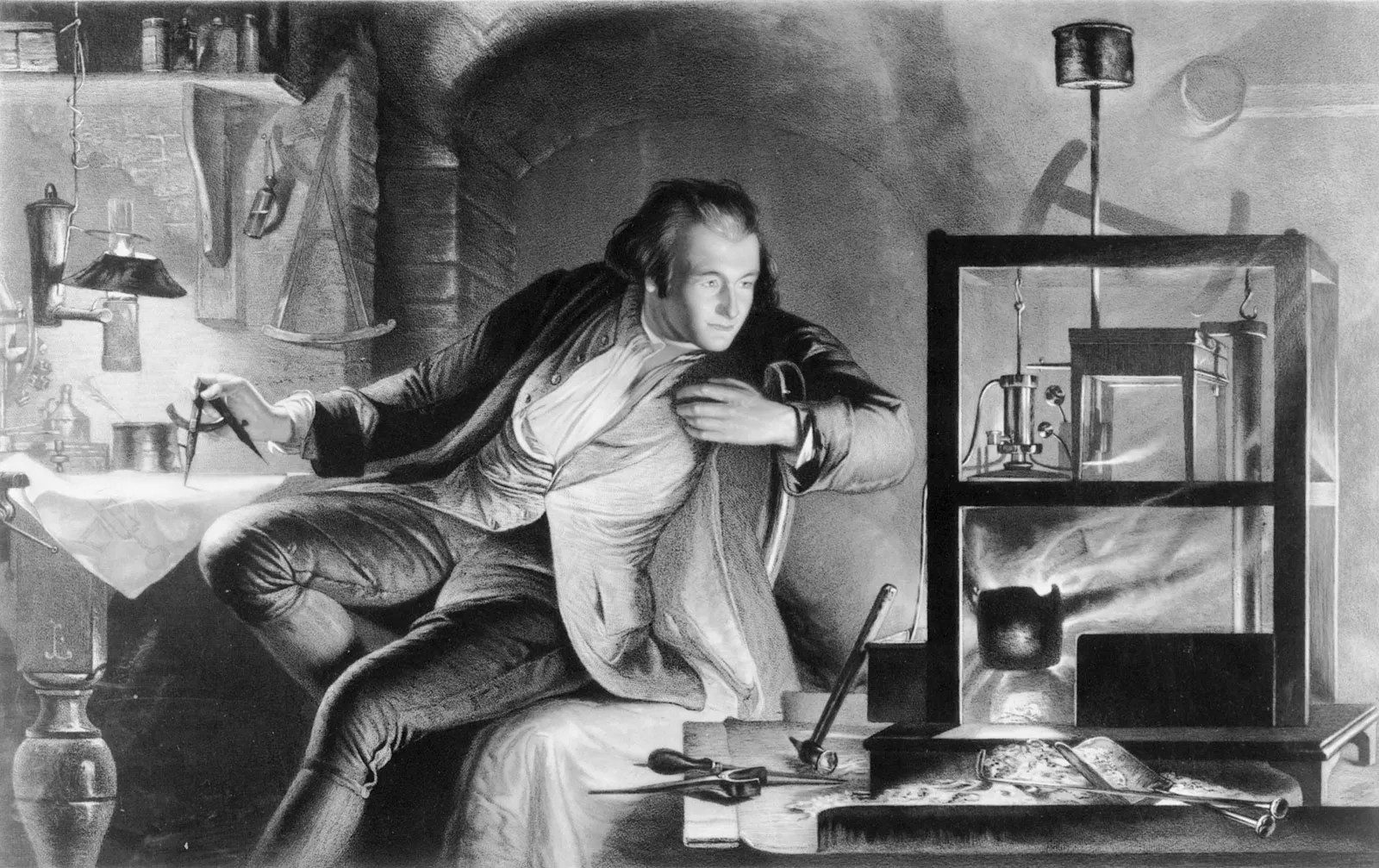
Throughout this time, James’s immense scientific potential was evident. He was particularly fascinated by the idea of a steam engine. While many legends exist about the exact moment he conceived the idea, these stories are rooted in a very real passion. James was deeply interested in thermodynamics and actively studied the properties of steam and heat, conducting numerous laboratory experiments and keeping detailed notes in his diaries.
A Breakthrough with a Flaw
His research paid off in 1765 when Watt built a working model. It was a pump in which steam was pushed through a cylinder; cold water was then injected, causing the steam to condense. While the mechanism was powerful, it was not very efficient. The constant heating and cooling of the large engine cylinder required enormous volumes of coal and heat.
The Separate Condenser: A Revolutionary Idea
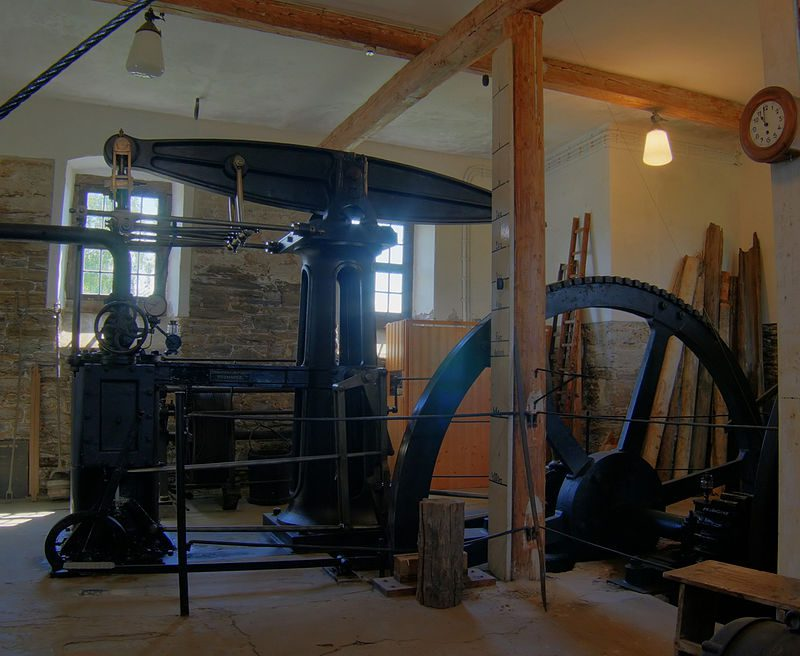
Watt then had a groundbreaking insight: what if he created a separate condenser? Such a device could maintain a vacuum while allowing the main cylinder to remain at a constant, hot temperature. He began work on the new design, and the device was soon ready. Its efficiency was extraordinarily high, allowing mine and mill owners to perform three times more mechanical work with the same amount of fuel.
Watt’s new engine became incredibly popular. Before this, most industrial activity was limited by photosynthesis—that is, factories and plants had to rely on natural energy sources, from water wheels to horses. James’s separate condenser allowed businesses to harness the far more potent energy of steam and coal.
Legacy and Environmental Impact
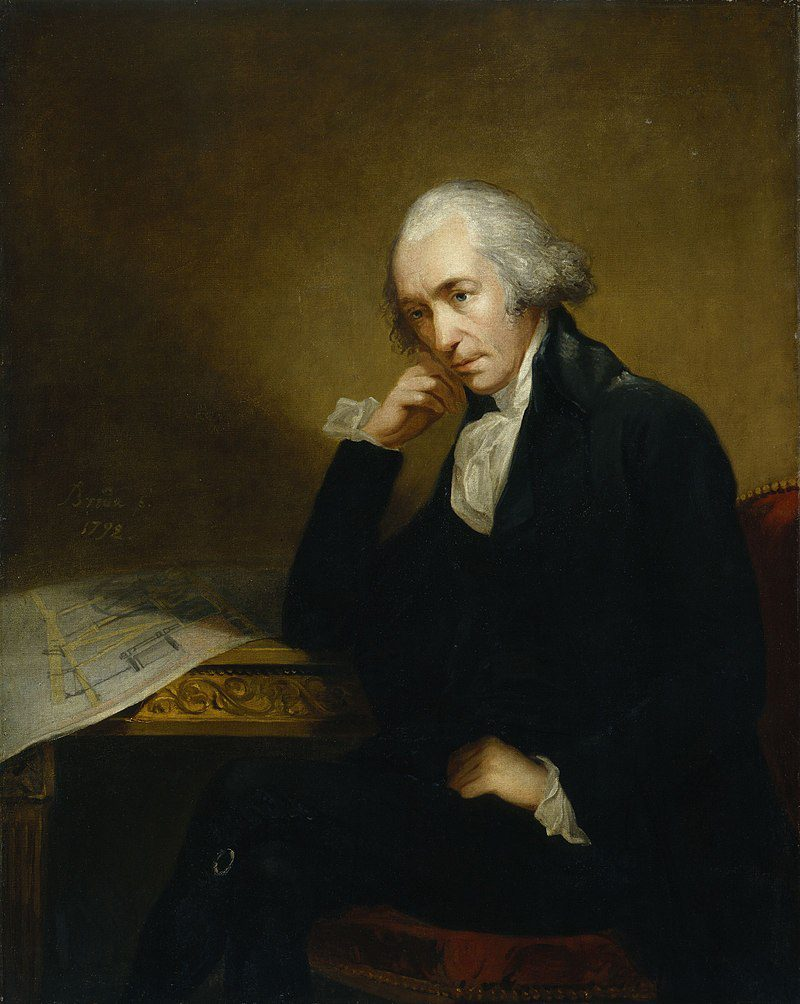
Watt’s sensational invention earned him widespread recognition. His talent was acknowledged by the scientific community in Scotland and across the world, and he was elected a Fellow of The Royal Society of Edinburgh.
However, according to many modern scientists, the processes unleashed by his invention have led to profound changes in our planet’s physical properties. The countless factories and plants built in the wake of his invention became sources of massive carbon dioxide emissions. In turn, this has caused transformations in the atmosphere and the Earth’s crust. It is therefore safe to say that James Watt truly changed the world—not only by making an invaluable contribution to science, but also by fundamentally altering the state of our planet’s ecology.