

Nature provides a wealth of resources to boost our health and well-being, and mineral water is one of the most vital. This natural drink can enrich the body with essential elements and even help in overcoming various ailments. For centuries, thousands of people have personally tested these effects, seeking better health by drinking the water over time. Edinburgh and its surroundings are well-known for their rich geology. But beyond the valuable rock beneath the ground, the area also holds numerous springs that produce these healing waters. Find out more at edinburghname.
The Modern-Day Bottled Spring

In The Scottish Borders, the region neighbouring Edinburgh to the north, a source of natural mineral water is tapped from 100 metres underground. The drink is rich in beneficial microelements that can strengthen the human body. These properties caught the attention of Purely Scottish, a long-established Scottish mineral water producer. The company now extracts, filters, and bottles the water from this source, supplying it to the market.
The Lost Iron Well of Portobello
Portobello, a coastal suburb of Edinburgh, was once home to another famous healing spring. Enterprising locals even tried to develop it into a spa-like resort. Writing in 1898, William Baird described it as a well in a local garden, complete with cups for visitors who paid a small fee to drink the water. The water was highly sought after due to its beneficial properties, notably a high concentration of iron oxide and magnesium sulphate. Unfortunately, the supply was often unreliable. The well was lost for good in 1869, when the construction of the promenade cut off its source. But the mineral-rich source still exists, lying deep beneath the ground.
St Bernard’s Well: A Pilgrimage for Health
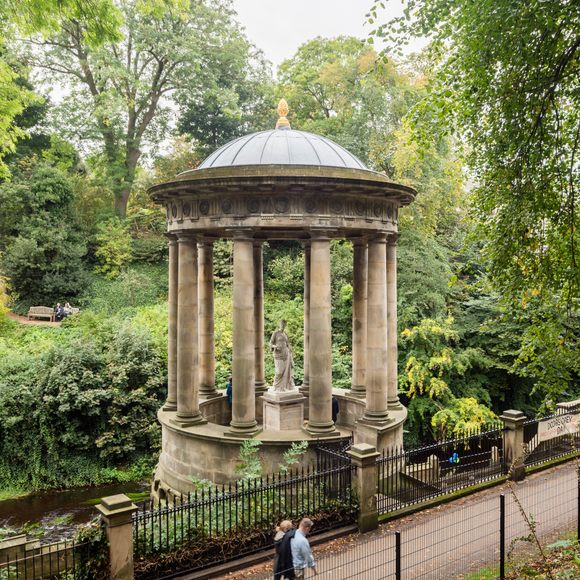
St Bernard’s Mineral Well holds a special place in Edinburgh’s history. In 1788, the well was purchased by Lord Gardenstone, who claimed its waters had brought him immense personal health benefits. A year later, in 1789, he commissioned the construction of a beautiful rotunda, crowned with a lead dome. Beneath it, architects placed a marble statue of Hygieia, the Greek goddess of health.
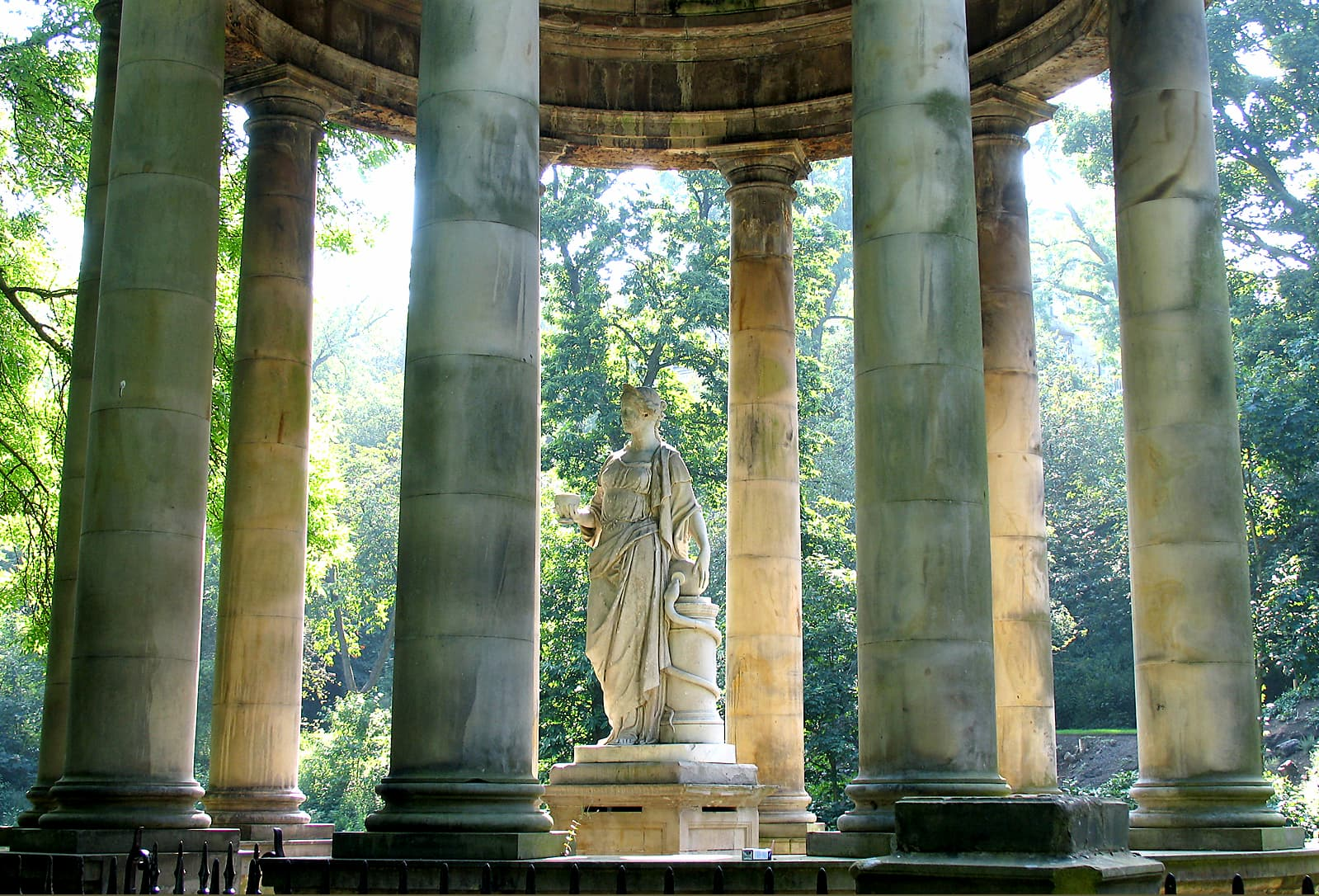
In 1885, the publishing firm Thomas Nelson & Sons became the owners. After a period of restoration, they gifted the well to the City of Edinburgh. The water was renowned for cleansing the system and stimulating the appetite. A chemical analysis showed its composition was similar to the sulphur springs of Harrogate. These qualities made the well incredibly popular. It became a site of pilgrimage during the summer, with visitors claiming the water offered a range of cures—from toning the body and boosting energy to completely relieving arthritis and rheumatism. These stories of healing continued until 1940, when the well was closed shortly after the outbreak of the Second World War.
This doesn’t mean the source itself, deep within the earth, has vanished. Perhaps one day, this beloved mineral well will once again delight the people of Edinburgh and its visitors with its healing properties. Such a revival would surely be a sensation, attracting countless new visitors.
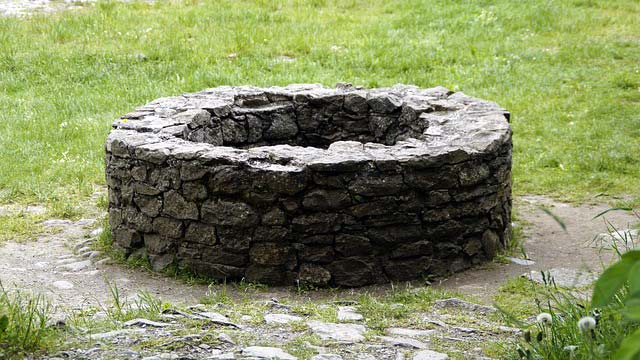
Scotland’s geology is undeniably rich, holding more than just the valuable minerals and stone used for building—materials often cited as one of the region’s greatest assets. But beyond this, mineral springs are another key feature of the landscape, and Edinburgh provides the perfect example. The city’s history is dotted with wells that gained huge popularity, drawing thousands of visitors eager to experience their healing effects for themselves. And while some of those original springs have closed for various reasons, they have been replaced by new boreholes drilled by modern producers. These companies have taken on the task of supplying this beneficial drink to today’s consumer—after a thorough process of filtering, purification, and bottling, of course. But that production side of things, as they say, is another story entirely.