

Edinburgh is a city brimming with fascinating history and a wealth of magnificent landmarks. Many of these places aren’t just pretty sights; they’re genuine witnesses to the city’s unique past, with most of them established centuries ago. Find out more at edinburghname.com.
Among the countless statues, fountains, museums, theatres, parks, and gardens, the Royal Botanic Garden Edinburgh undoubtedly holds a special place.
It’s one of the oldest botanic gardens in the UK, a leading scientific centre for plant study and research, and, of course, a hugely popular attraction for tourists.
Humble Beginnings
The Royal Botanic Garden Edinburgh was founded in 1670, making it the second oldest botanic garden in Great Britain, after Oxford. Its foundation was built upon a private collection of plants once owned by Sir Patrick Murray.
The idea for the garden, however, originated with two prominent scientists, Andrew Balfour and Robert Sibbald. Their primary goal was to study medicinal plants and train future doctors. In those days, medical practitioners often doubled as botanists.
A Series of Moves
Initially, the garden was located near Holyrood Park. However, throughout its history, the garden has had to relocate several times. One notable reason for these moves was severe flooding, which tragically led to the loss of many plants due to the accumulation of mud and debris. It wasn’t until 1820 that the Botanic Garden finally settled into its permanent home near Inverleith, an inner suburb in north Edinburgh, bringing an end to its “nomadic” existence.
The Priceless Palm House
The Royal Botanic Garden Edinburgh is made up of various departments, all coming together to create a truly unique composition. Among them, the Palm House is rightly considered a real jewel. Built in 1834, it underwent a significant expansion twenty-eight years later. However, by the 1960s, the conservatory had fallen into disrepair and was in dire need of replacement.
The result was a new, impressively sized building. Its expansive interior allowed for the creation of five distinct climatic zones, each with its own microclimate.
The Rocky Garden
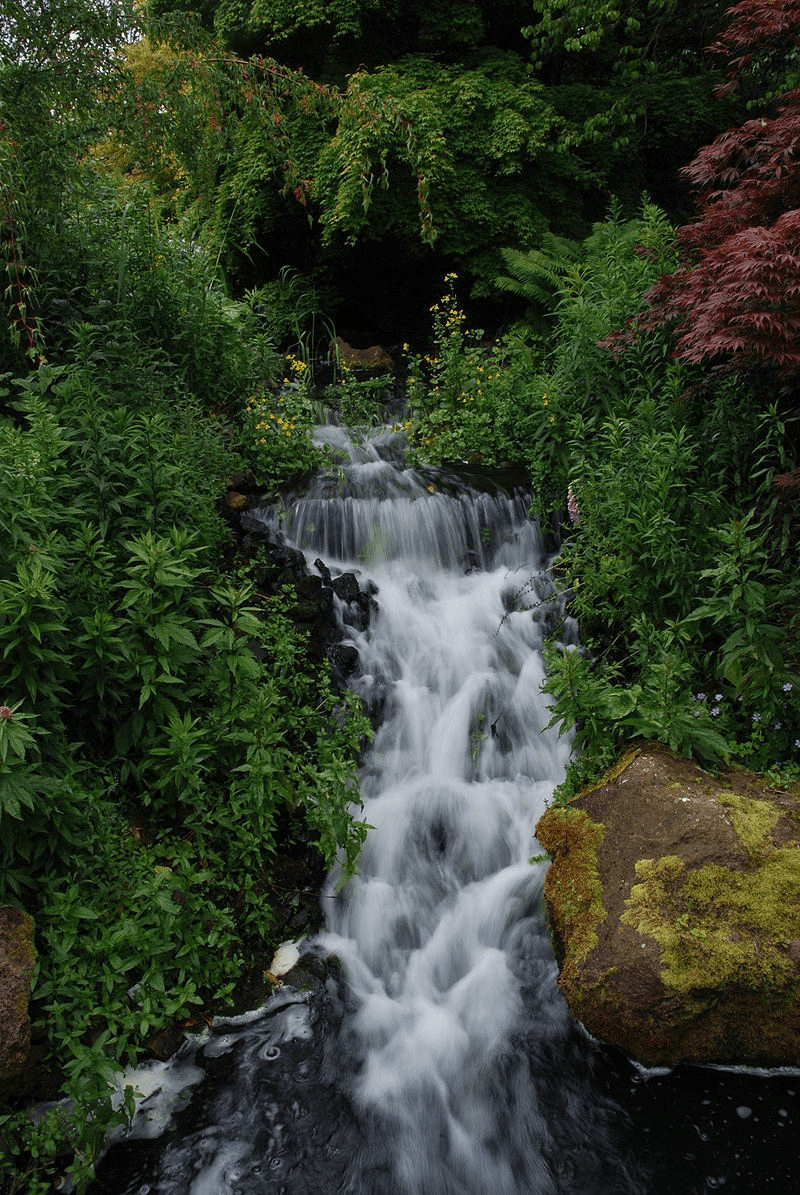
The Rock Garden is another incredibly important part of the garden. Created in 1870, it required the terracing of the northern slope of a hill. Over time, the Rock Garden’s area expanded to almost a hectare.
The Rock Garden itself features mounds and ravines, intersected by a winding waterfall. This ingenious design provides ideal conditions for alpine plants, of which there are approximately five thousand species.
Another Marvellous Department
The Heather Garden also underwent a “rebirth.” Its first iteration was established in 1935, but a new version emerged in 1997. Here, visitors can discover plants native to the remote mountainous regions of Scotland.
A Valuable Collection
The Herbarium deserves a special mention among the botanic garden’s departments. Optimal conditions have allowed for the preservation of incredible specimens, some of which were collected as far back as 1697. Remarkably, this historic collection includes species gathered by none other than Charles Darwin himself during his round-the-world voyage from 1831 to 1836. In total, the Herbarium boasts an astonishing three million plant specimens.
Collection of Native Plants
The youngest department of the botanic garden is the Ecological Garden. It’s a living representation of local flora, showcasing ferns, lichens, fungi, and more. All the plants featured here were gathered from various regions across Scotland, directly from their natural habitats.
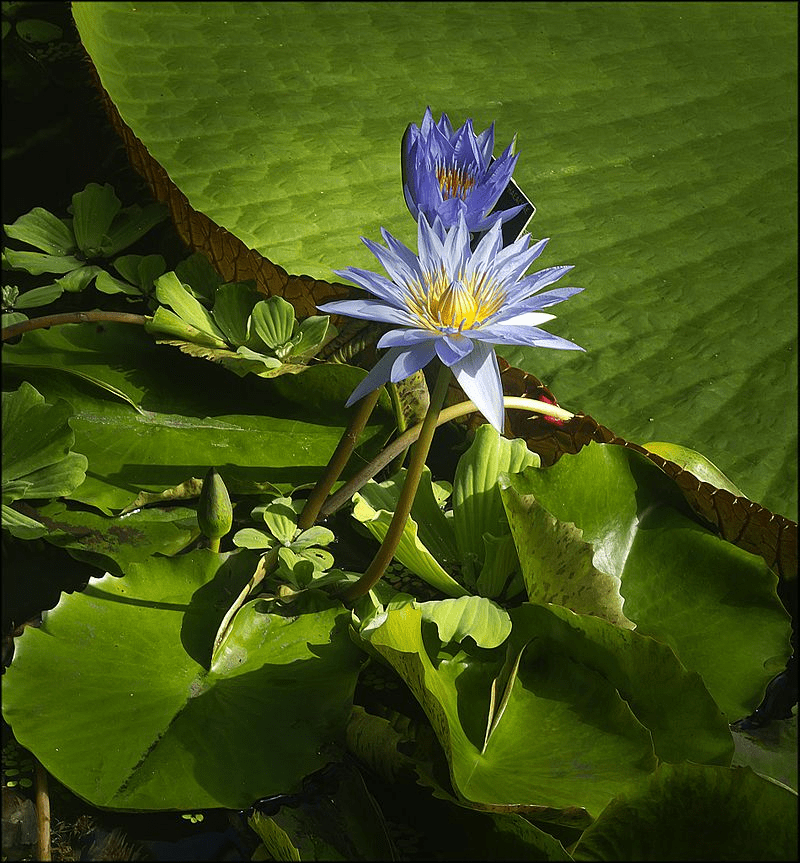
Ultimately, the Royal Botanic Garden Edinburgh can truly be considered a magnificent asset to the city. Every corner of it testifies to the incredible richness of our planet’s plant life, and its history serves as the finest testament to the sheer diversity of Edinburgh’s landmarks.