

Edinburgh boasts a thriving manufacturing sector, with numerous factories and plants demonstrating its industrial prowess. You can read more about it on edinburghname.
Interestingly, these organisations are actively supporting the city’s overall commitment to safety and environmental sustainability. It’s no secret that Edinburgh’s projects, developments, and initiatives concerning environmental preservation are true leaders in innovative solutions.
Returning to the topic of businesses, Hunter Boot Limited deserves special mention. This British footwear manufacturer is dedicated to making its products more eco-friendly, primarily by using natural rubber, which is, of course, a biodegradable material.
The Green Journey Begins
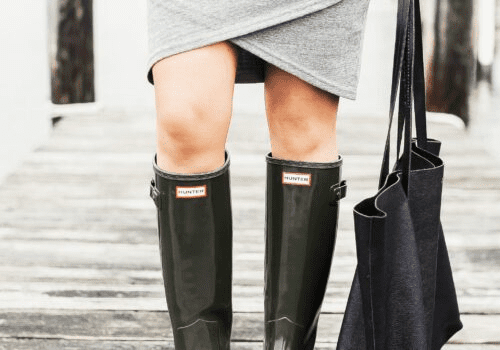
The company’s story started in 1856 under the name Norris & Co., founded by Henry Lee Norris and Spencer Thomas Parmelee.
The organisation later changed its status and name, becoming the registered limited company North British Rubber Company in 1857.
As you might guess, its activities revolved around producing rubber-based products – everything from boots and combs to tyres, hot water bottles, and golf balls.
In 1907, the North British Rubber Company granted the young British tyre company Dunlop the right to produce its eponymous tyres by selling the “Bartlett” patent.
Innovative Footwear Solutions
The company’s Wellington boots gained particular popularity during the First World War. It was then that the War Office requested more durable boots for soldiers to wear in flooded trenches.
Naturally, the North British Rubber Company agreed. Its factories worked around the clock, churning out vast quantities of these boots. Natural rubber was chosen as the primary material.
The boots were so well-made that even the Germans were reportedly envious of their reliability and durability.
When the Second World War began, Wellington boots experienced a second surge in popularity, and their production once again became highly active.
How the Public Embraced Eco-Friendly Products
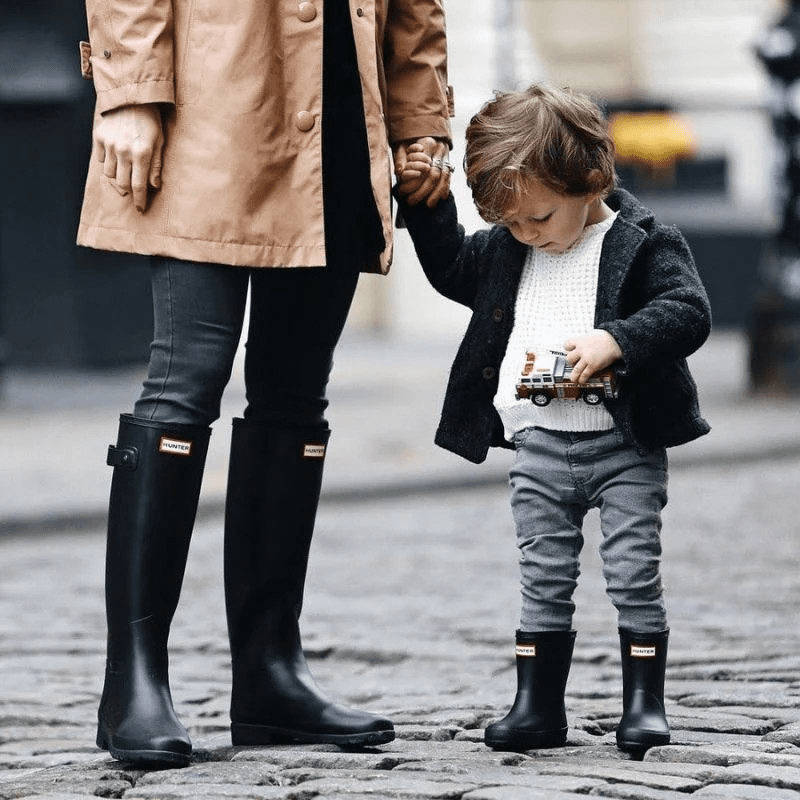
Interestingly, these boots gradually found their way beyond soldiers, into the hands of the general public – men, women, and children alike. Their thick soles and rounded shape offered genuine protection in wet weather.
Developing New Footwear Models from Sustainable Materials
Significantly, after the Second World War, due to increasing production volumes, the company had to relocate to more spacious premises. The factory in Dumfries was chosen for this purpose. Intriguingly, this factory was originally built for the Scottish car manufacturer Arrol-Johnston (later Arrol-Aster).
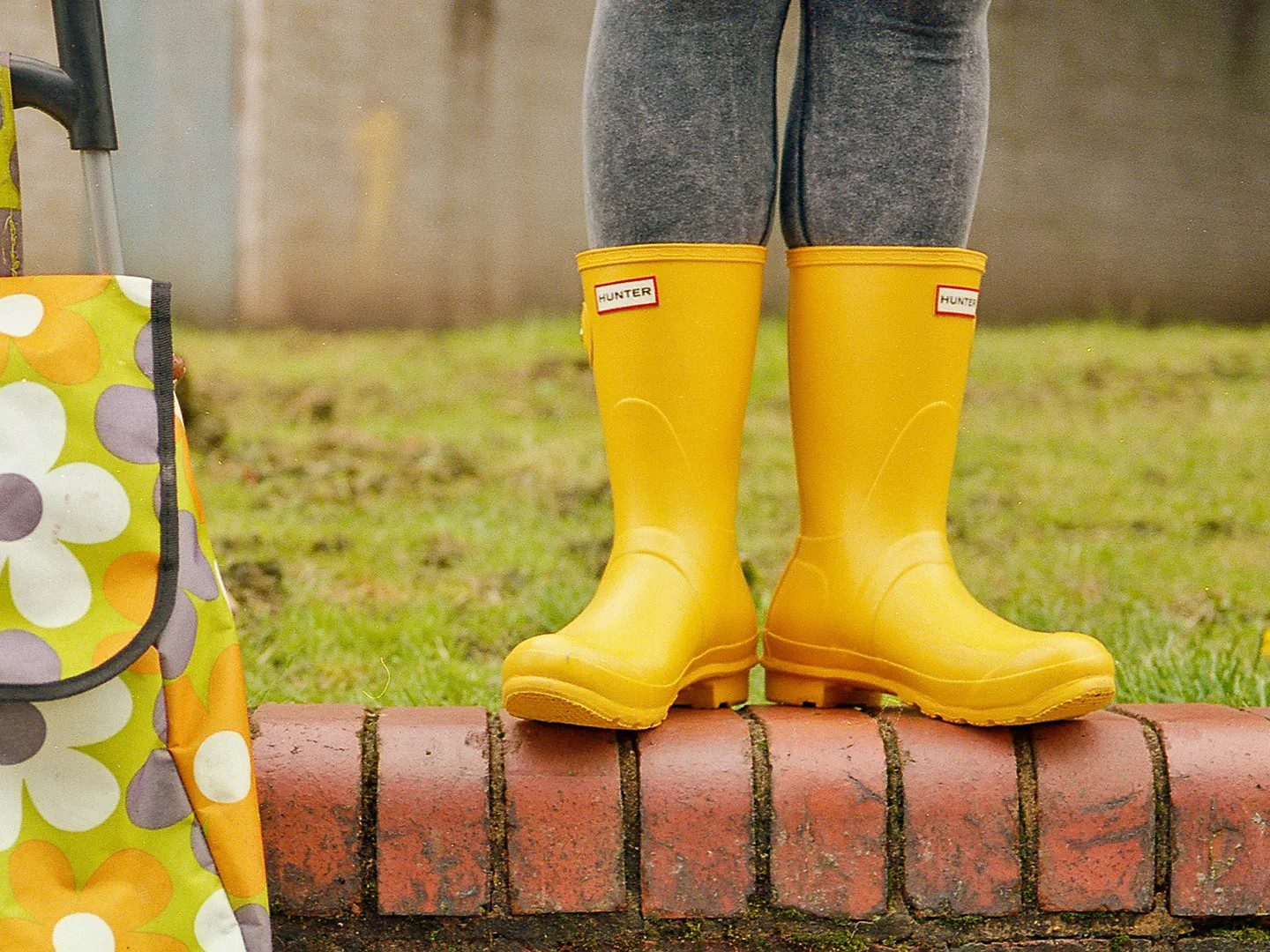
It was there, in 1955, that the company’s most famous model, the Original Green Wellington, an orthopaedic boot, was launched.
However, surprisingly, sales were initially slow. Yet, the company didn’t give up, showcasing its products at various fairs and exhibitions.
It’s worth noting that the Original Green Wellington was considered more elegant and exclusive than the traditional black Wellington boots. The company also produced the equally popular Royal Hunter boots concurrently.
Throughout this time, the factory continued to predominantly use natural rubber in its work. This is because natural rubber only takes about a year to decompose in well-ventilated, moist soil.
So, it’s safe to say that the company has been committed to environmental preservation from its early stages.
Change of Ownership, but Production Trends Maintained
1966 marked the year North British Rubber Company was acquired by Uniroyal Limited of South Carolina.
However, in 1986, Uniroyal Limited was also sold. Its new owner was The Gates Rubber Company from Colorado. This organisation was quite successful, improving its standing every decade.
In 1996, it officially changed its status to Gates Corporation and gained a global reputation as a rubber manufacturer, though tyres were not among its products.
Achieving Eco-Friendly Brand Status
1999 saw another transformation within The Gates Rubber Company structure, as The Consumer and Industrial Division was sold to Interfloor.
This led to the creation of Hunter Division of Interfloor. Despite the renaming, the actual merger, and the buyer company’s initial different specialisation, the newly formed organisation continued to produce the famous Hunter footwear. By then, it had almost achieved brand status among consumers, and notably, it was an eco-conscious brand. This was all thanks to the materials and approach used in its manufacturing process.
Wellington: A New Solution in Safe Footwear Production
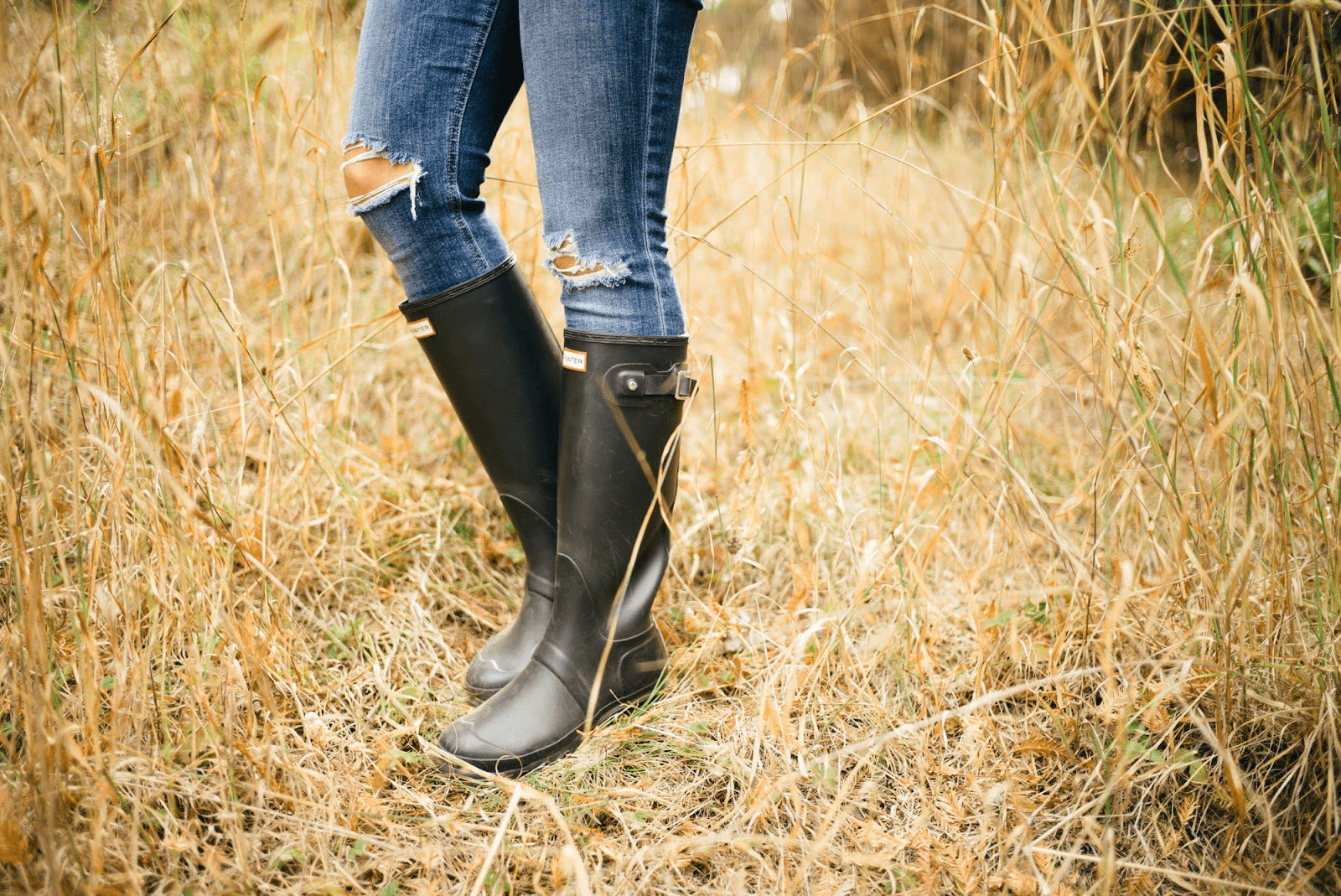
In 2004, thanks to a group of investors who completed a deal with Hunter Division of Interfloor, an independent company, Hunter Rubber Company, emerged.
By the end of that same year, 2004, it announced the upcoming release of an entire line of Wellington boots, dedicated to the 50th anniversary of the Green Wellington Boot.
It’s fair to point out here that the legendary Wellington boot was originally made from leather. Many years later, when Hunter Rubber Company took over the production of these boots, the products acquired eco-friendly properties. As is well known, the company works with natural rubber, imbuing it with numerous modern qualities, including enhanced waterproofing and various decorative details.
Temporary Challenges Due to High Costs
In 2006, Hunter Rubber Company faced financial difficulties. Despite reporting a very large turnover, the company keenly felt the expenses associated with fuel costs and business expansion in the United States.
The organisation’s management was then tasked with thoroughly investigating the problem and finding a solution. After a comprehensive analysis of the situation, a restructuring plan was adopted. This led to new supply chains and distribution partners in the UK and USA. Crucially, the company itself took on a new form, becoming Hunter Boot Ltd.
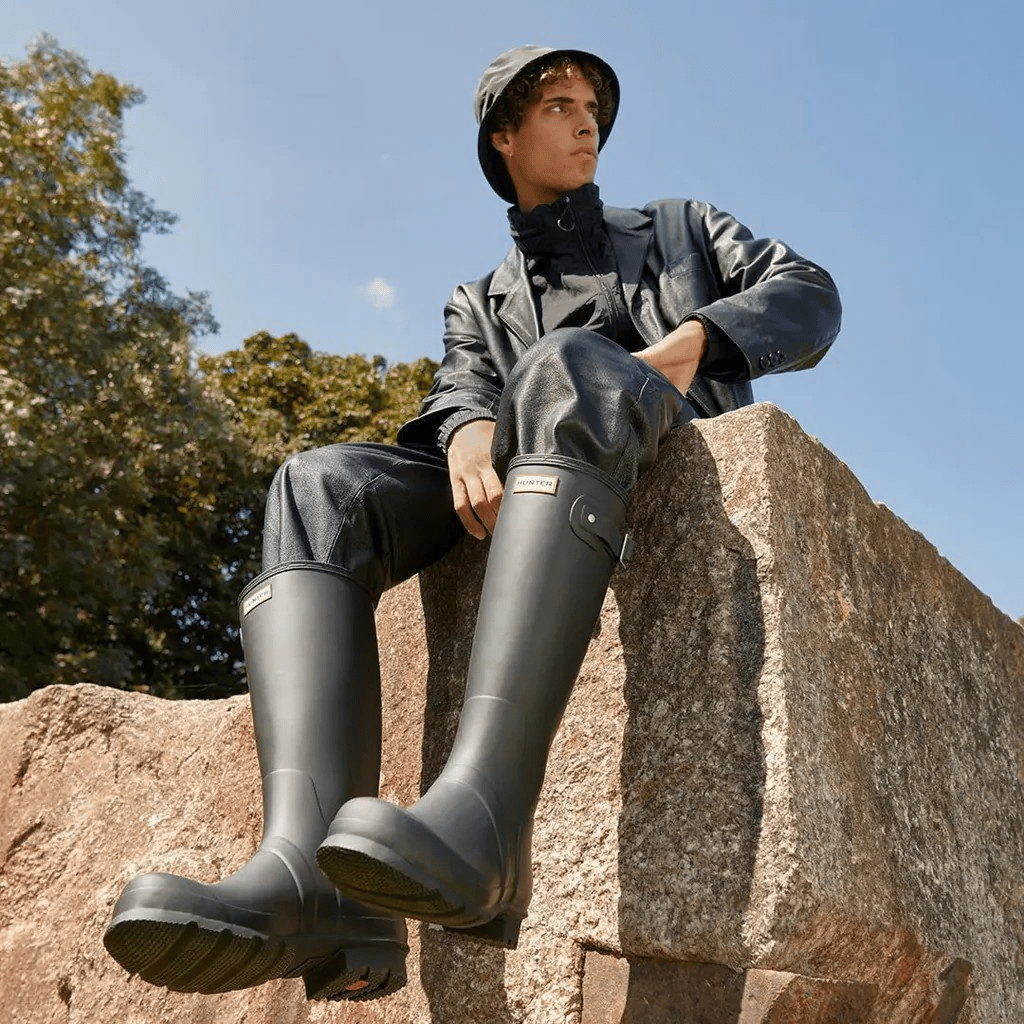
Although 2007 brought the company considerable success and record sales growth, financial problems persisted, mainly due to high production and fuel costs. The company even considered the viability of manufacturing in the UK.
Fortunately, the issue was largely resolved by finding alternative supply sources. It was also decided to keep the factory in Dumfries and relocate the organisation’s headquarters to Edinburgh, which was accomplished in 2008.
Collaborations and Raising Consumer Awareness of Eco-Products
Furthermore, 2008 offered the company a unique opportunity to collaborate with other renowned brands. This significantly strengthened Hunter Boot Ltd.’s market position.
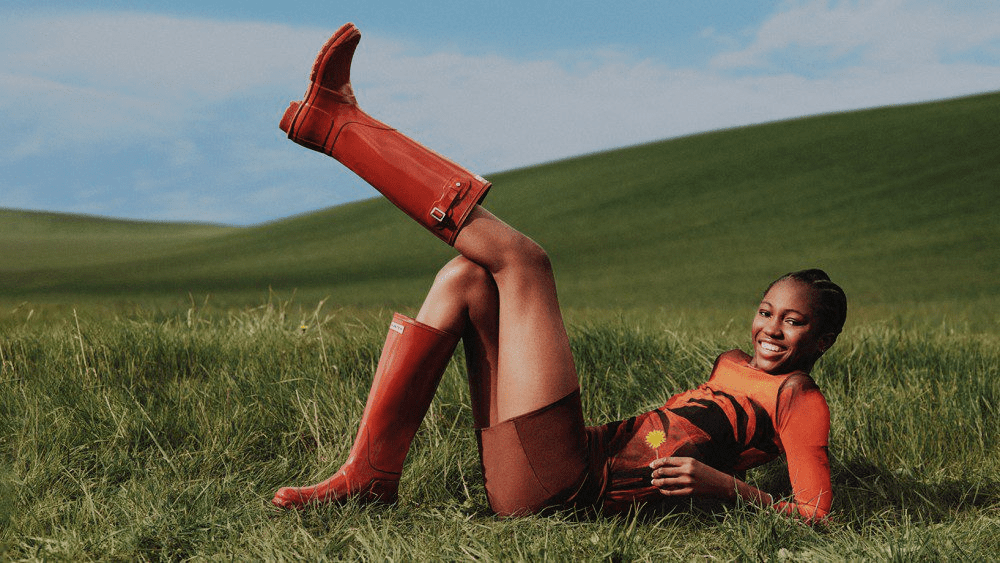
And, of course, the footwear produced by this company effectively drew more public attention to eco-friendly products. After all, the main material for Hunter Boot Ltd.’s legendary boots remained natural rubber.
After the 2008 Beijing Olympics concluded, the company specially manufactured and presented golden Wellington boots to every gold-medal-winning member of Great Britain’s Olympic team.
January 2009 saw a striking collaboration between the Scottish company and the Jimmy Choo brand. Together, they released a limited edition of black Wellington boots, adorned with gold rivets and a leopard-print lining.
Naturally, Hunter Boot Ltd.’s successes and new achievements didn’t end there. The following years brought many new creative solutions, resulting in unique footwear models and even more impactful collaborations with popular brands.
Unfortunately, in 2023, Hunter Boot Ltd. officially announced some problems related to the impact of inflation and the lingering effects of the coronavirus pandemic. All of this affected the company’s financial operations.
Nevertheless, the company successfully weathered the crisis, remaining in the market and developing even greater resilience to difficulties. This means there can be no doubt about its endurance and potential, as the best proof of success is the result of activity. And at Hunter Boot Ltd., that result is literally impressive.