

Edinburgh is Scotland’s most vibrant and famous city. Yet, a huge part of its charm lies in the fact that you are never far from nature. There is always a small green oasis nearby to enjoy and be inspired by. In a modern world dominated by technology, this easy access to pure, natural beauty is a real treasure. Read more at edinburghname.
One of the most scenic spots is the Water of Leith. This river meanders and twists its way through the city before flowing into the Firth of Forth. But beyond the picturesque views and beautiful trees, this well-known waterway has a rich history of its own.
The Strategic Importance of the Water of Leith
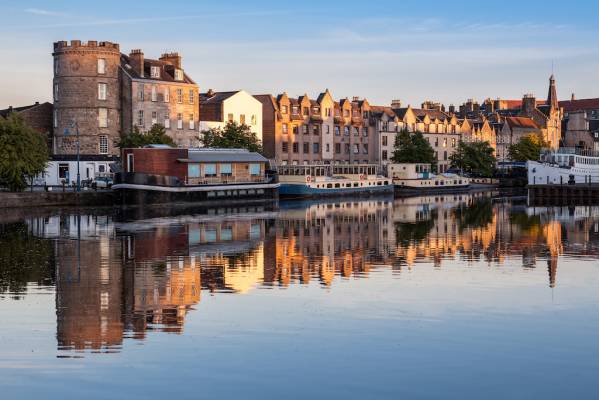
For many years, the waters of this river were essential for life in Edinburgh. Its fast-flowing current provided enough power to turn the water wheels of mills, which led to the founding of many villages that grew into well-known settlements.
Thanks to the mills along its banks, the city was able to produce a range of vital goods, including spices, paper, tobacco, flour, and wool.
Furthermore, the Water of Leith was instrumental in developing Edinburgh as an industrial city. Before an artificial harbour was built, the mouth of the river provided access for ships. This led to the creation of a successful port that transported goods like wine, timber, and whisky.
Damage and Recovery
Although the port was of great importance for shipbuilding, shipping, and even the whaling industry, this industrialisation caused considerable damage to the river. The water became heavily polluted. However, after the mills were closed and a modern sewage system was built, the river was thankfully able to recover.
Today, the only remaining signs of that era are the millstones, weirs, and mill buildings that stand as true relics of the past.
Historic Settlements
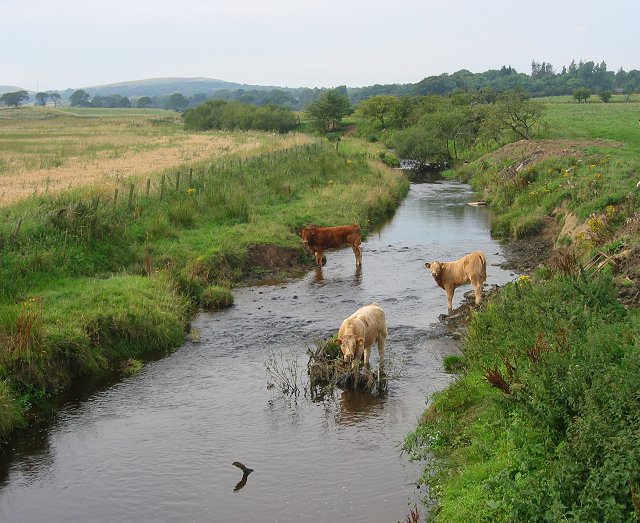
Many of the settlements along the Water of Leith have their own unique history. A notable example is Dean Village.
As far back as 1138, it was a major centre for the flour-milling industry. Even Lindsay’s Mill, located in the heart of the village, still has its old wheels. A visit to this spot allows you to imagine the scale of the activity that once took place here.
Overall, Dean Village gives the impression of a historic village with picturesque views and a stunning atmosphere.
A Landmark That Hides in Plain Sight
Returning to the Water of Leith, there is a unique fact worth mentioning. Strange as it may sound, many people who visit Edinburgh do not know about this important waterway. Or, if they have heard of it, they do not fully appreciate its fascinating history and the incredibly beautiful scenery it offers.
The Water of Leith is a true Edinburgh treasure, offering a perfect escape from the hustle and bustle of the city. It allows you to immerse yourself in an atmosphere of wild nature, historic villages, and beautiful landscapes.
What’s more, no matter what time of year you choose to visit the river, you’re guaranteed to feel wonderfully energised and inspired by its beauty.
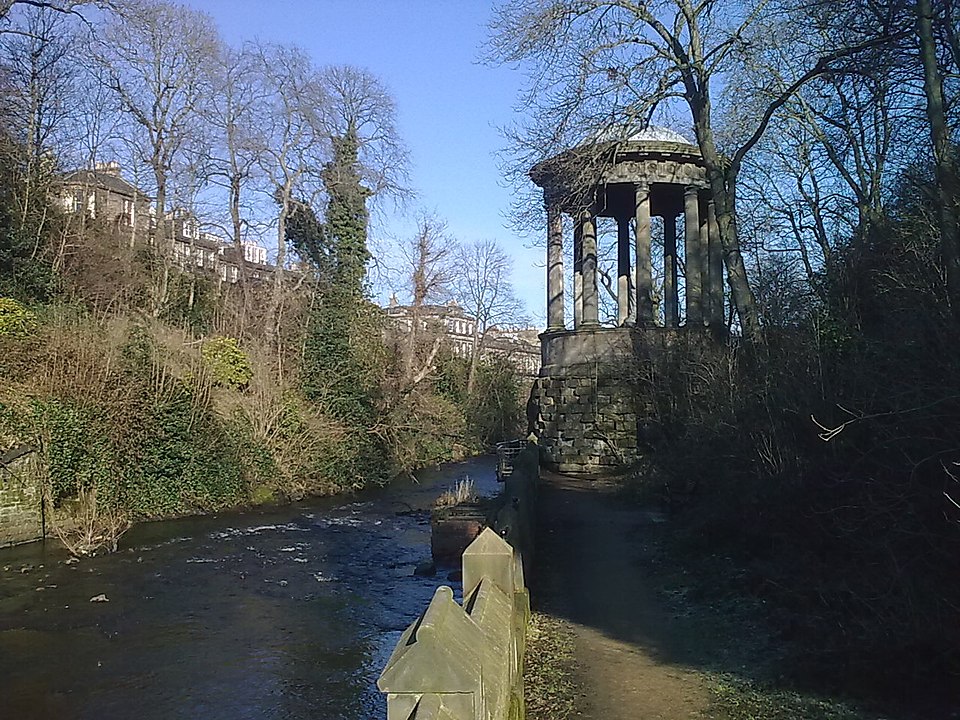
The story of the Water of Leith proves that even natural landmarks have a unique past that has shaped them into what they are today. Exploring this history isn’t just a pleasant pastime; it offers a chance to broaden your horizons.
And, of course, it’s an opportunity to fall in love with the city all over again. Edinburgh certainly deserves it. A closer look at its natural landmarks is a wonderful reason not only to relax and see something new but also to view the familiar sights of the Scottish capital from a completely different angle.