

Edinburgh’s scientists have become an important and valuable part of the global scientific community. Their achievements in various fields of science confirm their immense talent and potential. Alexander Dickson can rightly be considered one of the most outstanding scientific figures from Edinburgh, having made his mark in the field of botany. Find out more at edinburghname.
Early Years and Education
The future scientist was born on 21 February 1836 in Edinburgh. Alexander’s family was quite wealthy, so they could afford to provide their son with a home education. When his school years were behind him, it was time to choose an institution where he could continue his educational journey.
Dickson ultimately settled on the Faculty of Medicine at the University of Edinburgh. He found his studies extremely interesting and soon began to conduct his first scientific research. It gradually became clear that Alexander had great scientific potential, which shone through in the natural sciences, whereas the purely professional or technical sections of the medical curriculum held little interest for him.
A New Chapter in His Career
August 1860 marked a milestone for the young scientist as he received his doctorate. His thesis was dedicated to the development of the flower and pistil in Caryophyllaceae. Two years later, Dickson began his teaching career. He started lecturing in botany at The University of Aberdeen, filling in for Professor George Dickie, who was experiencing health problems at the time.
Alexander’s teaching talent proved to be highly noticeable, so it was no surprise when, in 1866, he was offered a position in the Department of Botany at Trinity College, Dublin. Just two years after that, he took up the post of Professor at The University of Glasgow. This allowed him to definitively confirm his status as a scientist passionate about botany.
The Return to Edinburgh
Dickson worked in Glasgow from 1866 to 1879. It is unknown how his career might have progressed further if, in 1879, the position of Professor of Botany had not become vacant at the University of Edinburgh. This event was the reason for Alexander’s return to his native city, as he was appointed to the role.
Recognition from Students
It should be noted that Dickson developed a very warm relationship with his students at the University of Edinburgh. The lecturer’s seriousness was combined with an eager desire to help his pupils with their research, as well as meticulous preparation for every lecture. The students particularly liked the instructive illustrations that almost always accompanied his classes. It is therefore no wonder that the students quickly grew attached to Alexander and began to hold him in enormous respect.
A Prolific Writer
However, Dickson’s talent and activities were not limited to teaching. He was also the author of numerous scientific articles. His first work was published in 1857, while Alexander was still a student himself. But this publication marked the beginning of a new facet of Dickson’s talent.
Over the next 29 years, he managed to write over 50 articles. Most of them show that the author had a special interest in the developmental stage of plants. This is clearly seen in articles on subjects such as the morphology of the reproductive organs of the Coniferae, the embryo and its appendages in Tropaeolum, the embryology and development of the flower of Pinguicula, and the spiral arrangements of the cones of Pinus pinaster.
Beyond Science
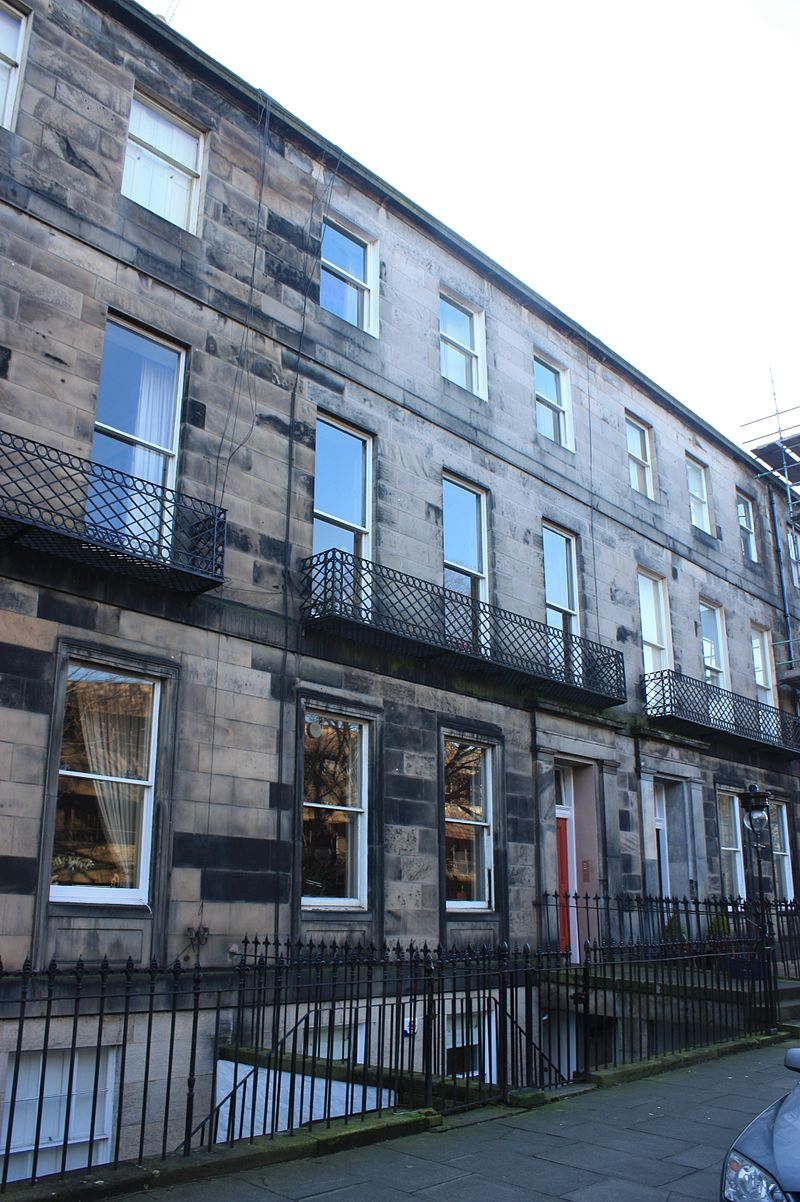
It is worth noting that Dickson’s sharp mind was not solely occupied with scientific activities and work-related matters. The scientist was also very interested in state and church politics, and in both areas, he held exclusively conservative views.
Alexander remained a member of The Free Church of Scotland and repeatedly stated publicly that he was against any changes to its traditions, at a time when the state was thinking somewhat differently. Furthermore, Dickson did not support legislative attempts to change medical education and university teaching in Scotland to harmonise them with the systems prevalent in England. He believed these attempts to amend “educational legislation” were driven more by social, political, and selfish interests than by a desire to qualitatively reform the education system. This was a view he repeatedly voiced during his participation in numerous discussions.
A Darling of the Public
Overall, Dickson can be considered a man who lived life with gusto. Everything he did brought him genuine pleasure, and this could not go unnoticed by those in his social circle. As a result, Alexander enjoyed the status of a true darling of the public. Everyone who was fortunate enough to be in his company felt the warmth and excitement that the scientist generously bestowed upon those around him. In particular, Dickson loved to treat his friends to “concerts,” performing famous works by Bach and Beethoven on the piano.
A Noble End
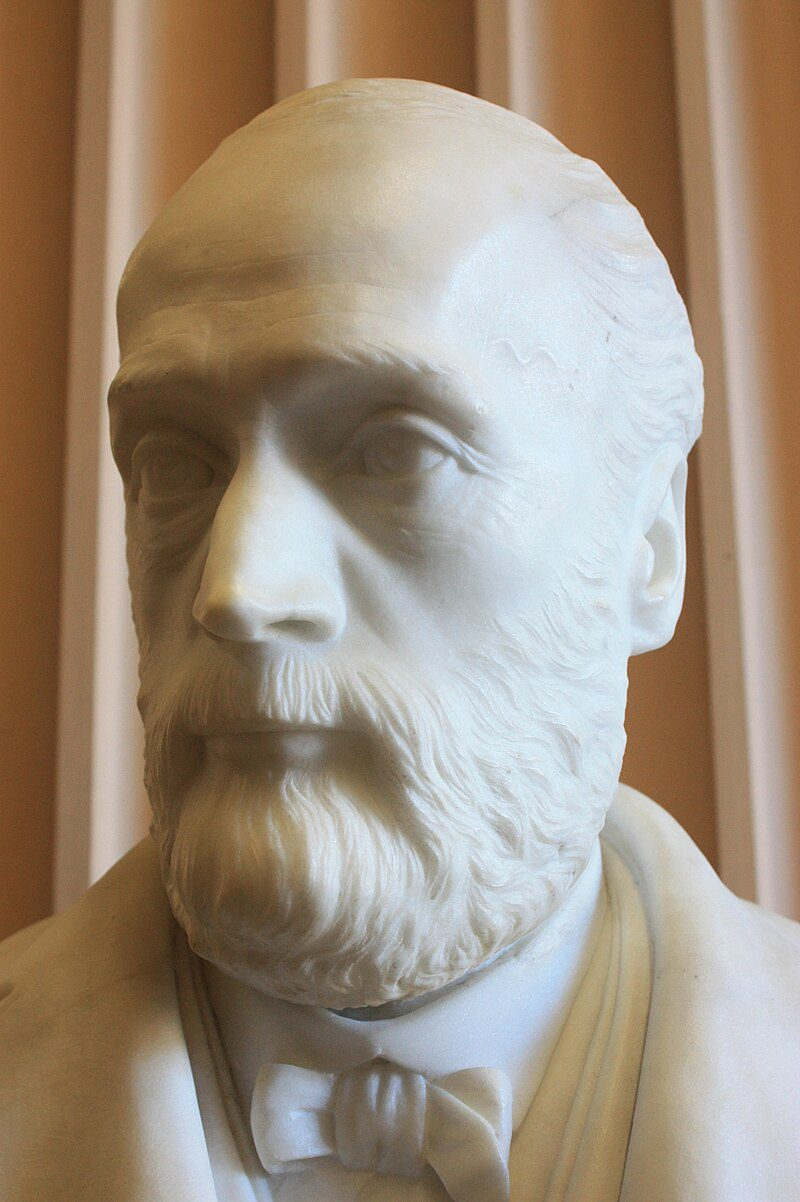
On 30 December 1887, the earthly journey of the famous Edinburgh scientist came to an end. Despite being aware of his health problems, Alexander never admitted it to anyone. It seemed that the nobility and optimism in this man were simply inexhaustible.
However, an insidious illness claimed the life of the talented scientist. Yet his memory, like his numerous works, continues to live on, serving as a beacon for the younger generation of scientists to conquer new scientific peaks.